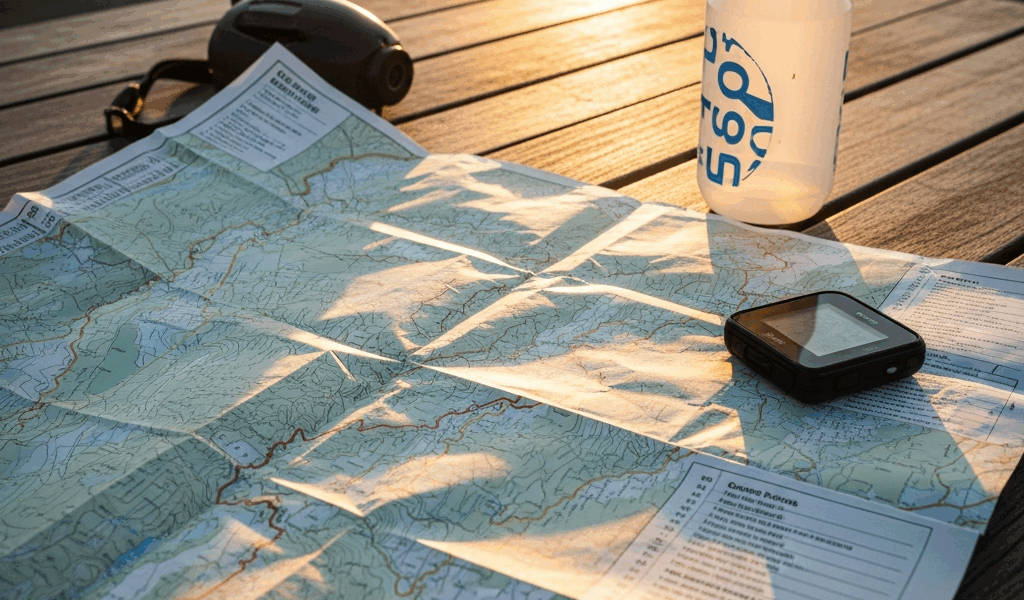
What the Alps 2 Ocean Trail Actually Covers
The Alps 2 Ocean trail has gotten complicated with all the conflicting information flying around — so let me give you the straight version. You’re riding roughly 300 kilometres from Aoraki Mount Cook down to the coastal town of Oamaru on New Zealand’s South Island. It holds official New Zealand Cycle Trail Great Ride status, which is the designation that actually matters when you’re planning around infrastructure and track conditions.
But what is the Alps 2 Ocean, really? In essence, it’s a vertical descent wrapped in horizontal distance. But it’s much more than that. You start near Mount Cook village at roughly 500 metres elevation and finish at sea level in Oamaru — the gradient works in your favour overall, just not consistently. Most riders clock five to eight days depending on fitness, how long they spend photographing those turquoise glacial lakes, and whether the wind cooperates. It usually doesn’t.
The surface mix matters more than most ride guides admit. You’re not on pavement the whole way. The route splits between sealed road and quality gravel — the first two days through the high alpine section run on gravel track that’s been specifically maintained for cycle touring. Drop into the Waitaki Valley and sealed road takes over. This isn’t rutted farm track. It’s genuinely rideable on a decent gravel bike. I’ve watched people complete it on hardtail mountain bikes with near-slick 2.0 tyres and never lose confidence.
Who suits this ride? Not complete beginners, honestly. You need basic bike handling and enough fitness to push 60–80 kilometres on a day when the wind turns against you. People arriving straight off desk jobs struggle — visibly. People who’ve ridden 200-plus kilometres on mixed terrain before? They finish feeling strong, sometimes even bored by the final stage.
Best Time of Year to Ride Alps 2 Ocean
November through April is your window. Full stop. That’s when alpine sections stay snow-free, DOC facilities stay open, and you’re not relying on a bivvy bag and blind optimism to survive a night above 800 metres.
November and early December carry shoulder-season advantages — fewer people on the track, accommodation actually available, temperatures sitting around 15–18 degrees Celsius. The wildflowers are genuinely worth it. Water crossings stay manageable. The catch is unpredictable weather. I rode late November and copped a horizontal sleet shower at 800 metres that left my hands too numb to brake properly for twenty solid minutes. Don’t make my mistake — pack the rain gear before you think you need it.
December through February is peak season. Schools out, international visitors flooding in, every DOC campsite booked solid by 10 a.m. three months ahead. Sunset runs past 9 p.m., which gives you the freedom to pace your own day. Here’s what travel websites consistently skip over, though: the Mackenzie Basin nor’west wind is a real adversary in summer. Not a light headwind. The kind of wind that makes 50 kilometres feel like 120 kilometres. Riders mention this constantly in trail forums — there’s a reason. When that nor’west locks in over the high country, you’re grinding, not gliding.
Probably should have opened with this section, honestly — March and April are the best months on this trail. Temperatures settle around 12–16 degrees. Wind patterns ease. Accommodation pressure drops dramatically. If your calendar has any flexibility at all, aim here.
Winter riding — July to August — is technically possible. But alpine sections get genuinely cold and wet. Your body temperature drops fast when you’re wet and moving at altitude. Most DOC facilities close seasonally. Gravel turns slippery. Unless you’re an experienced winter tourer with proper kit and zero schedule pressure, skip it entirely.
Stage by Stage Route Breakdown
Stage One — Mount Cook Village to Glentanner Park
Distance: 30 kilometres. Surface: Mixed sealed and gravel. Feels like a warm-up — until the wind doesn’t cooperate. You roll out of Mount Cook village at roughly 500 metres elevation on sealed road along the western shore of Lake Pukaki, then transition to gravel toward Glentanner. That milky turquoise colour from glacial flour is completely real and will stop you every five minutes for photos. The lake section is sealed. Past Glentanner Park, gravel takes over — well-maintained, no surprises, but properly rideable only. The stage finishes at Glentanner campground or Holiday Park. Water, toilets, camp kitchen. Book it ahead. Arriving without a booking and hoping for space on a December evening is genuinely stressful.
Stage Two — Glentanner to Twizel
Distance: 45 kilometres. Surface: Gravel then sealed. This is where the elevation drop becomes real — a slight climb through high country, then the route descends into the Pukaki Flats and rolls toward Twizel. The gravel here is rougher than Stage One. Still rideable, just less forgiving. The sealed section at the end is fast and satisfying. Twizel is a working town — petrol station, supermarket, two decent cafes, a motel, a holiday park. Not pretty. Functional. If a nor’west wind forecast is sitting over the Mackenzie Basin, stopping in Twizel and waiting it out is genuinely smart strategy, not a weakness.
Stage Three — Twizel to Otematata
Distance: 50 kilometres. Surface: Sealed with some gravel. Terrain flattens considerably here. You’re moving through farmland now — mountains behind you, wind ahead of you as your primary concern rather than gradient. Otematata is small. Holiday park, a lodge, a store that closes early. The landscape opens wide and the quality of light is intense, especially late afternoon. Riders who’ve been grinding since Mount Cook usually notice something here — the kilometres feel manageable now. That’s what makes this middle stretch endearing to us long-distance riders.
Stage Four — Otematata to Kurow
Distance: 35 kilometres. Surface: Sealed road. Easy-paced stage. Rolling farmland, the Waitaki Valley opening up ahead of you, the Waitaki River becoming a constant companion. Kurow is a small rural village — a pub, a store, a couple of modest accommodation options. Not a destination by any measure, but a solid rest point. The elevation work is done. You feel it in the legs, in a good way.
Stage Five — Kurow to Duntroon
Distance: 25 kilometres. Surface: Sealed road. Short stage. The Waitaki Valley turns genuinely beautiful here — limestone cliffs, river gorge, a visual contrast that’s almost jarring after the alpine backdrop you left two days ago. Duntroon is tiny. Seriously tiny. A DOC campground, a handful of holiday homes, and that’s your visible infrastructure. The limestone caves are worth the time. If you’re behind schedule you can push through to Oamaru from here, but arriving tired at the finish is a worse story than arriving fresh the following morning.
Stage Six — Duntroon to Oamaru
Distance: 30 kilometres. Surface: Sealed road. A straight run into Oamaru — farmland gives way to coastal feel, then town sprawl appears, then suddenly you’re on actual streets. Oamaru is a proper town. Harbourfront, Victorian architecture, multiple cafes and restaurants, real accommodation options. GPS systems occasionally try to route you creatively near the coast here. Follow the official trail markers instead.
Where to Sleep and How to Book Ahead
DOC campsites run roughly NZD 15–25 per person per night — cheap, but they fill fast. Glentanner campground near Mount Cook books out by September for December and January dates. Otematata and Duntroon DOC sites fill solid in peak season too.
Holiday parks with basic chalets, powered sites, and kitchen facilities run NZD 40–80 per person. More availability than DOC sites, but book December and January accommodation by October if you can. Twizel has the most commercial infrastructure along the route. Farm stays in the Waitaki Valley section require advance booking — they’re genuinely comfortable and offer dinner, which matters significantly when you’ve just ridden 50 kilometres and your cooking motivation is zero.
Small motels appear in Twizel and Oamaru. Expect NZD 100–150 per night. After five days of camping, an actual bed with a hot shower feels absurdly luxurious. Probably worth it at least once.
The booking reality in peak season: forward planning isn’t optional. Arriving in Twizel on December 20 expecting to find open accommodation is a bad plan. The stretch between Otematata and Kurow has genuinely limited options — miss the campsite and your next bed might be 20 kilometres further than you want to ride.
Luggage transfer services operate the full route. Companies like Alps 2 Ocean Cycle Trail operators and various third-party services will move your heavy camping kit from point A to point B while you ride with a day pack. Costs around NZD 50–70 per day — at least if you’d rather not haul a loaded 15-kilogram rig through the gravel sections. Worth every dollar if your fitness isn’t bulletproof.
Bike Setup, Hire Options and Getting There
While you won’t need a full suspension trail bike, you will need a handful of the right things — starting with a gravel bike or hardtail mountain bike with reasonable tyres. Something like Schwalbe Marathon Plus or Maxxis Ardent in 2.0–2.2 width handles the mixed surface well. Road bikes with 28mm tyres are marginal on the gravel sections — technically rideable, genuinely uncomfortable. I’m apparently a hardtail person and my Trek Marlin 7 with 2.1 Maxxis Ardents worked for me while full suspension never felt necessary. Don’t make my mistake of overthinking the bike spec.
Christchurch is your logistics hub. Fly in, hire a bike, arrange transport to Mount Cook — it all starts there. Avanti Plus and Adventure Capital both rent gravel-suitable bikes at NZD 40–60 per day for decent equipment, with full suspension models running higher. Most shops will let you hire in Christchurch and drop off in Oamaru at trip’s end. That’s a genuinely convenient arrangement.
Getting to the start point means either renting a car in Christchurch — roughly NZD 50–80 per day, 3.5-hour drive to Mount Cook — or booking an organised shuttle. Cycling tour operators run shuttles specifically for this trail at NZD 80–120 per person one-way. Flying internationally and managing complex logistics? The shuttle is simpler. That’s just honest.
Getting from Oamaru back to Christchurch is straightforward — scheduled bus services run the route daily, most accept bikes, takes 3.5 hours, costs around NZD 40–50. Easy end to the trip.
First, you should sort your rain jacket before anything else — at least if you plan to survive the alpine section with functional hands. A camp stove, sleeping bag, and basic kit are obvious. Water crossings exist but are bridged or shallow — no river fording required. The mountains generate sudden weather regardless of what the morning forecast said. Pack accordingly.

Stay in the loop
Get the latest cycle routes world updates delivered to your inbox.