Introduction: Discovering the Great River State Trail
The moment I rolled onto the Great River State Trail for the first time, I understood why cyclists from across the Midwest make this their annual pilgrimage. The morning mist was just lifting off the Mississippi River, revealing towering limestone bluffs that seemed to glow amber in the early sunlight. A great blue heron took flight from the wetlands beside me, and I realized this 24-mile journey would be something special.
As a cycling enthusiast who has explored dozens of rail-trails throughout Wisconsin and the Upper Midwest, I can confidently say the Great River State Trail offers one of the most rewarding cycling experiences in the region. This paved rail-trail follows the historic Chicago and North Western Railway corridor, winding through some of Wisconsin’s most dramatic Mississippi River scenery while remaining accessible to riders of all skill levels.
Whether you’re a seasoned touring cyclist looking for your next adventure or a family seeking a memorable weekend ride, this comprehensive guide will help you plan the perfect Great River State Trail experience. I’ve ridden this trail in every season, photographed its wildlife, explored its historic towns, and gathered insights that will make your journey exceptional.
Route Overview and Trail Statistics
The Great River State Trail stretches 24 miles from the city of Onalaska in La Crosse County northward to the small community of Marshland in Trempealeau County. This paved rail-trail follows the eastern bank of the Mississippi River, offering continuous views of the river valley, bluffs, and backwater wetlands that define this unique landscape.
Key Trail Statistics
- Total Distance: 24 miles (38.6 kilometers)
- Surface: Smooth asphalt pavement throughout
- Width: 10 feet (3 meters)
- Difficulty Rating: Easy – suitable for all skill levels
- Elevation Gain: Minimal (approximately 100 feet total)
- Trail Pass Required: Yes – Wisconsin State Trail Pass for cyclists 16 and older
- Pet Friendly: Yes – dogs allowed on leash
What makes this trail particularly appealing is its connection to a larger network of Wisconsin rail-trails. At its southern terminus in Onalaska, the Great River State Trail connects seamlessly with the La Crosse River State Trail, which continues 21.5 miles eastward to Sparta. From Sparta, cyclists can access the legendary Elroy-Sparta State Trail, famous for its three historic railroad tunnels. This interconnected system allows ambitious cyclists to create multi-day touring routes exceeding 100 miles.
Best Time to Ride the Great River State Trail
The optimal riding season on the Great River State Trail extends from May through October, though each month offers distinct experiences worth considering.
Spring (May-June)
Spring brings explosive greenery to the Mississippi River bluffs, with wildflowers carpeting the forest floor and migrating birds filling the air with song. Water levels in the river and backwater sloughs are typically high, creating excellent wildlife viewing opportunities. However, be aware that spring flooding can occasionally close sections of the trail, particularly near Trempealeau. Always check trail conditions with the Wisconsin DNR before planning a spring visit.
Summer (July-August)
Summer offers the most reliable trail conditions and the longest riding days. The dense tree canopy provides welcome shade during hot afternoons, and the numerous trailside parks make perfect spots for swimming breaks. Morning rides are ideal to avoid afternoon heat and thunderstorms common in July and August.
Fall (September-October)
Fall transforms the Great River State Trail into a corridor of spectacular color. The maple, oak, and hickory forests blanketing the bluffs create a stunning display of reds, oranges, and golds typically peaking in mid-October. Cooler temperatures make for comfortable riding, and the trail sees fewer crowds after Labor Day. This is my personal favorite season for riding the trail.
Detailed Segment Breakdown
Understanding each segment of the Great River State Trail helps you plan rest stops, identify points of interest, and pace your ride appropriately. Here’s a mile-by-mile breakdown based on my numerous rides along this route.
Segment 1: Onalaska to Midway (Miles 0-8)
The southern terminus in Onalaska offers ample parking at the trailhead near the intersection of Oak Avenue and Second Avenue North. From here, the trail immediately immerses you in the character of the Mississippi River Valley. The first few miles pass through the developed areas of Onalaska before the scenery transitions to open marshland and river views.
This segment features relatively open terrain with expansive views of the river’s backwater channels. Lake Onalaska, a large impoundment of the Mississippi, dominates the western horizon. Bird watchers will appreciate the abundant waterfowl, including white pelicans during summer months. The trail surface is excellent, with gentle curves following the old railroad grade.
Key Features: Lake Onalaska views, waterfowl habitat, open marshland scenery
Segment 2: Midway to Trempealeau (Miles 8-14)
The middle section of the trail brings you closer to the dramatic Mississippi River bluffs. Perrot State Park’s towering bluffs become visible to the west, creating a stunning backdrop for your ride. The trail passes through small pockets of bottomland forest, offering welcome shade on warm days.
The highlight of this segment is arriving at the charming village of Trempealeau, a historic river town with a population of just over 1,000. I always recommend stopping here for at least an hour to explore. The Trempealeau Hotel, dating to 1871, offers excellent food and cold beverages for tired cyclists. The hotel’s famous walnut burger has become a trail tradition.
Key Features: Perrot State Park bluffs, bottomland forests, Trempealeau village, historic hotel
Segment 3: Trempealeau to Marshland (Miles 14-24)
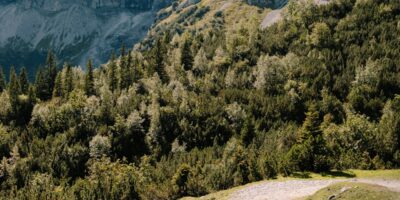
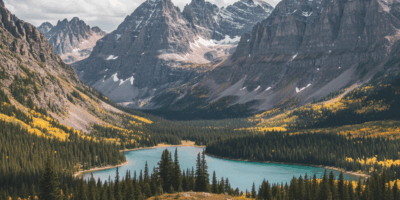
The northern segment of the Great River State Trail offers the most dramatic scenery of the entire route. After leaving Trempealeau, the trail hugs the base of towering limestone bluffs that rise 500 feet above the river valley. These bluffs are part of the Driftless Area, a unique geological region that escaped glaciation during the last ice age.
The trail passes through the Trempealeau National Wildlife Refuge, a 6,200-acre preserve protecting critical habitat for migratory birds and other wildlife. Keep your eyes open for bald eagles, which nest along this stretch of the Mississippi year-round. In fall and spring, the refuge hosts thousands of migrating waterfowl.
The trail terminates at Marshland, a small unincorporated community. While services here are limited, the scenic payoff of completing the full trail makes this an essential destination.
Key Features: Dramatic limestone bluffs, Trempealeau National Wildlife Refuge, bald eagle habitat, Driftless Area geology
Mississippi River Bluffs Scenery and Wildlife Highlights
The Great River State Trail traverses one of America’s most significant ecological corridors. The Mississippi River flyway serves as a migration superhighway for millions of birds, and the diverse habitats along the trail support an remarkable variety of wildlife.
Bird Watching Opportunities
Serious birders have documented over 200 species along this trail corridor. Priority species to watch for include:
- Bald Eagles: Resident year-round, with peak viewing in winter when open water concentrates fish and eagles gather by the dozens
- American White Pelicans: Summer residents that form impressive fishing flocks on Lake Onalaska
- Great Blue Herons: Common along the entire trail, often seen stalking prey in shallow waters
- Tundra Swans: Migrate through in impressive numbers during October and November
- Various Warblers: Spring migration brings colorful songbirds to the riverside forests
Geological Features
The towering bluffs along the northern section of the trail represent 450-million-year-old limestone and dolomite formations. The Driftless Area’s unglaciated landscape creates dramatic topography unlike anywhere else in the Midwest. The vertical bluff faces often exceed 400 feet in height, creating impressive views and unique microclimates that support rare plant communities.
Accommodation Options
Proper planning for overnight stays makes multi-day Great River State Trail adventures comfortable and enjoyable.
La Crosse Area Lodging
The city of La Crosse, located just south of Onalaska, offers the greatest variety of accommodation options. Chain hotels, boutique inns, and bed-and-breakfasts are all available. For cyclists, I recommend lodging in downtown La Crosse or Onalaska to minimize the distance to the trailhead. Many hotels offer secure bicycle storage upon request.
Trempealeau Hotel
The Trempealeau Hotel deserves special mention as a trail institution. This historic 1871 hotel offers charming accommodations directly on the trail at the trail’s midpoint. The hotel’s restaurant serves excellent farm-to-table cuisine, and the outdoor patio overlooking the Mississippi is perfect for post-ride relaxation. Reservations are essential during peak season, especially on weekends.
Camping Options
Perrot State Park offers both tent and RV camping with direct trail access. The park features 90 campsites in a beautiful bluff-side setting. Additional camping is available at Goose Island County Park near La Crosse, which offers waterfront sites popular with cyclists touring the regional trail network.
Essential Safety Tips
Proper preparation ensures a safe and enjoyable Great River State Trail experience.
Trail Pass Requirements
Wisconsin State Trail Passes are required for all cyclists age 16 and older. Daily passes ($5) and annual passes ($25) can be purchased at self-registration stations along the trail, local bike shops, or online through the Wisconsin DNR website. Trail rangers do conduct pass checks, and fees support trail maintenance and improvement.
Flooding and Trail Closures
The Mississippi River’s proximity means flooding can close sections of the Great River State Trail, particularly during spring snowmelt and after heavy rainfall. The segment near Trempealeau is most susceptible to closures. Always check the Wisconsin DNR trail conditions page before your ride, especially during spring months (March-May).
General Safety Recommendations
- Carry sufficient water, as drinking fountains are limited along the trail
- Watch for wildlife crossing the trail, including deer and wild turkeys
- Be courteous to other trail users and announce when passing
- Carry basic repair tools and a first aid kit
- Inform someone of your planned route and expected return time
- Apply sunscreen and insect repellent, especially during summer months
Recommended Gear
Proper equipment enhances your Great River State Trail experience significantly.
Bicycle Selection
The smooth asphalt surface makes road bikes, hybrid bikes, and gravel bikes all excellent choices. While the trail accommodates any bicycle type, a hybrid or gravel bike offers the best combination of comfort and efficiency for the 48-mile round trip. Consider wider tires (32-40mm) for additional comfort on longer rides.
Essential Items to Carry
- Hydration: Minimum 2 liters of water for full trail rides
- Nutrition: Energy bars, bananas, or other trail-friendly snacks
- Navigation: Trail map or GPS-enabled device (cell service can be spotty)
- Repair Kit: Spare tube, tire levers, multi-tool, compact pump
- Sun Protection: Sunglasses, sunscreen, lightweight arm covers
- Binoculars: Compact pair for wildlife viewing opportunities
- Camera: The scenery deserves to be captured
Connecting Trails: Building Your Wisconsin Rail-Trail Adventure
The Great River State Trail’s connection to Wisconsin’s extensive rail-trail network creates exceptional opportunities for extended touring.
La Crosse River State Trail
At the Onalaska trailhead, the Great River State Trail connects directly with the La Crosse River State Trail. This 21.5-mile paved trail follows the La Crosse River valley eastward to the city of Sparta. The relatively flat terrain and consistent surface make this an excellent addition to a multi-day tour. Combined with the Great River State Trail, you can enjoy over 45 miles of connected paved trails.
Elroy-Sparta State Trail
From Sparta, cyclists can continue onto the legendary Elroy-Sparta State Trail, America’s first rail-trail. This 32-mile trail features three historic railroad tunnels, including the 3/4-mile Norway Grove Tunnel. The tunnels provide a unique and memorable cycling experience, though note that the Elroy-Sparta Trail surface is crushed limestone rather than asphalt.
Creating Multi-Day Itineraries
For cyclists seeking an extended adventure, consider a point-to-point route from Elroy to Marshland via the Elroy-Sparta Trail, La Crosse River State Trail, and Great River State Trail. This 77-mile route showcases the diversity of Wisconsin’s rail-trail system and can be completed comfortably over three days with overnight stops in Sparta and Trempealeau.
Explore More Midwest Rail-Trails
The Great River State Trail represents just one gem in the Midwest’s outstanding rail-trail collection. Consider adding these related trails to your cycling bucket list:
- Root River State Trail – Located just across the Mississippi in Minnesota, this trail system offers similar river valley scenery and connects historic Lanesboro
- Glacial Drumlin State Trail – Wisconsin’s eastern rail-trail corridor connecting Madison to Milwaukee suburbs
- Katy Trail – Missouri’s 240-mile trail along the Missouri River, America’s longest rail-trail
Final Thoughts: Why the Great River State Trail Belongs on Your List
After countless rides along the Great River State Trail, I remain impressed by its unique combination of accessibility, natural beauty, and historical significance. The trail delivers world-class Mississippi River scenery while maintaining a gentle grade suitable for riders of all abilities. The connections to Wisconsin’s broader trail network create opportunities for adventures ranging from casual afternoon rides to week-long touring expeditions.
Whether you’re drawn by the dramatic limestone bluffs, the exceptional wildlife viewing, the charming river towns, or simply the joy of effortless miles on smooth pavement, the Great River State Trail delivers an unforgettable cycling experience. Pack your panniers, charge your camera, and discover why this Mississippi River corridor has become a beloved destination for cyclists across the Upper Midwest.
This guide was written by a cycling enthusiast with extensive personal experience on the Great River State Trail and Wisconsin’s rail-trail network. Trail conditions and amenities may change; always verify current information with the Wisconsin DNR before planning your ride.