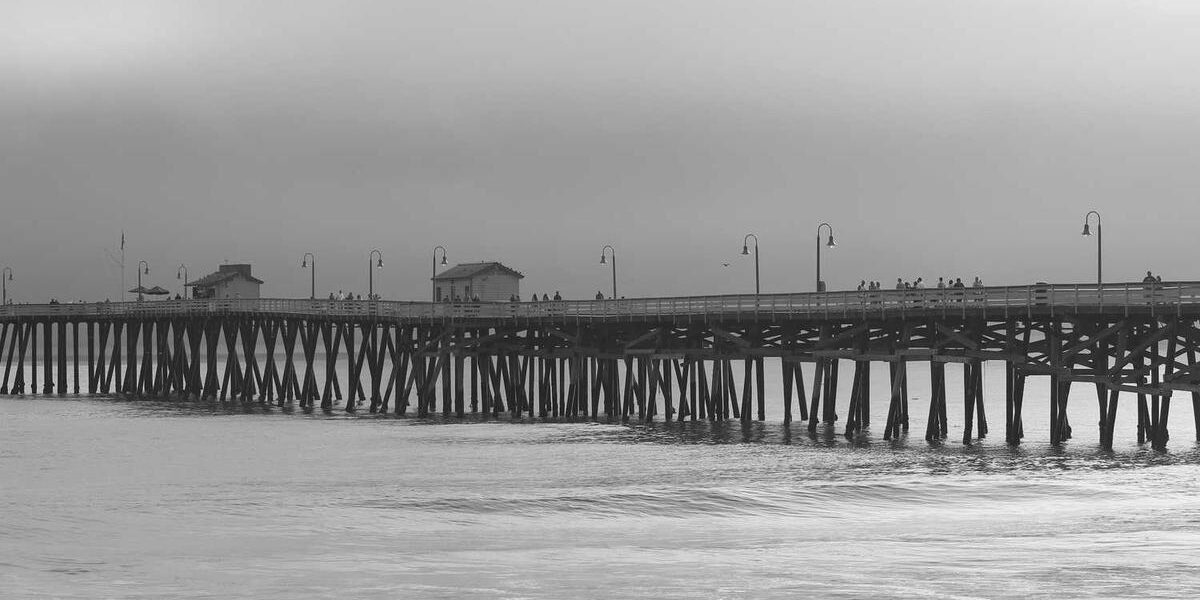
The Ultimate Cycling Guide to the Natchez Trace Parkway: 444 Miles of American History
The first time I rolled onto the Natchez Trace Parkway, somewhere near milepost 400 outside Nashville, I understood immediately why cyclists consider this route sacred ground. The pavement stretched ahead like a ribbon of silk, unmarred by commercial trucks, devoid of traffic lights, and flanked by forests that seemed to whisper stories from centuries past. Over the next week, I would pedal all 444 miles to Natchez, Mississippi, and discover what makes this parkway one of the finest cycling experiences in North America.
As someone who has logged thousands of miles on touring bikes across the United States, I can confidently say the Natchez Trace Parkway offers a uniquely transformative experience. This comprehensive guide shares everything I have learned from multiple trips along the Trace, combined with insights from the cycling community that has made this route a rite of passage.
Route Overview: What Makes the Natchez Trace Special
The Natchez Trace Parkway runs 444 miles from Nashville, Tennessee, through the northwest corner of Alabama, and down through Mississippi to Natchez. Managed by the National Park Service, this scenic byway follows the approximate path of the historic Natchez Trace, a trail used by Native Americans for centuries before European exploration.
Key Statistics at a Glance
- Total Distance: 444 miles (715 kilometers)
- Starting Point: Nashville, Tennessee (northern terminus)
- Ending Point: Natchez, Mississippi (southern terminus)
- Difficulty Level: Moderate
- Elevation Gain: Approximately 12,000-15,000 feet total
- Average Daily Mileage: 60-80 miles recommended
- Typical Completion Time: 5-8 days
What sets the Natchez Trace apart from other long-distance cycling routes is its designation as a car-free parkway in the sense that commercial vehicles are prohibited. You will not encounter semi-trucks, delivery vehicles, or any commercial traffic. The 50 mph speed limit and prohibition of commercial vehicles create an unusually peaceful cycling environment. While recreational vehicles and passenger cars do use the parkway, the traffic volume remains remarkably low compared to standard highways.
Best Time to Ride the Natchez Trace
Timing your Natchez Trace adventure can make the difference between an enjoyable journey and a struggle against the elements. Based on my experiences and feedback from hundreds of cyclists, here is what you need to know.
Spring (March through May): Prime Season
Spring represents the ideal window for cycling the Trace. Temperatures typically range from 55-75 degrees Fahrenheit, and the forests explode with wildflowers and emerging foliage. The dogwoods and redbuds bloom in spectacular fashion during April, creating a tunnel of color through much of Mississippi and Alabama. Rainfall is moderate but pack rain gear regardless.
Fall (September through November): Equally Excellent
Autumn brings comfortable temperatures and stunning fall foliage, particularly in the northern sections near Nashville. The humidity drops significantly from summer levels, and you will encounter fewer insects. October typically offers the most stable weather patterns. The changing colors peak around mid-October in Tennessee and early November in Mississippi.
Seasons to Approach with Caution
Summer (June through August): Expect temperatures exceeding 95 degrees with oppressive humidity. Heat exhaustion becomes a genuine concern. If you must ride during summer, start each day at dawn and seek shade during midday hours.
Winter (December through February): While snow is rare in Mississippi, temperatures can drop below freezing, and campground services are limited. Some facilities close entirely during winter months.
Detailed Segment Breakdown
I recommend dividing the Natchez Trace into three primary segments, each offering distinct terrain, history, and experiences.
Segment One: Nashville to Tupelo (255 Miles)
The northern segment begins at the terminus near Nashville and winds through the Tennessee hills before crossing briefly into Alabama and entering Mississippi. This section contains the most significant elevation changes on the entire route.
Notable stops include:
- Milepost 438: Garrison Creek day-use area with restrooms
- Milepost 404: Jackson Falls, a beautiful waterfall worth the short hike
- Milepost 385: Meriwether Lewis Site and campground, where the famous explorer died under mysterious circumstances
- Milepost 327: Colbert Ferry, where you can access the Tennessee River
- Milepost 269: Tupelo, Mississippi, birthplace of Elvis Presley
The terrain through Tennessee is rolling with several sustained climbs. Expect grades of 3-6% with occasional steeper pitches. The Alabama portion is brief but scenic, passing through the northwest corner of the state near the Natchez Trace Parkway’s lowest point relative to terrain features.
Segment Two: Tupelo to Jackson (180 Miles)
The middle section flattens considerably as you enter the Mississippi Delta region. This segment passes through some of the most historically significant Civil War battlefields and antebellum sites.
Must-see locations:
- Milepost 266: Chickasaw Village Site, interpreting Native American history
- Milepost 233: Witch Dance, named for local legends
- Milepost 193: Jeff Busby campground with camp store (seasonal)
- Milepost 180: French Camp historic site with bed and breakfast
- Milepost 122: Cypress Swamp, featuring an elevated boardwalk through wetlands
The riding here is significantly easier than the Tennessee section. Long, flat stretches allow for higher average speeds, though summer heat becomes more oppressive in this exposed terrain. The Jeff Busby site at milepost 193 offers one of the few dedicated campgrounds with full services.
Segment Three: Jackson to Natchez (99 Miles)
The southern segment offers the most dramatic historical immersion. This portion follows the path most closely associated with the original Natchez Trace, where Kaintuck boatmen walked home after floating goods down the Mississippi River.
Highlights include:
- Milepost 102: Ross Barnett Reservoir Overlook
- Milepost 78: Rocky Springs ghost town and campground
- Milepost 54: Sunken Trace, where foot traffic eroded the path into a canyon
- Milepost 41: Windsor Ruins (short detour), haunting columns from a burned plantation
- Milepost 10: Mount Locust historic inn, the only standing structure from the original inn system
- Milepost 0: Natchez, overlooking the Mississippi River
This final section features gentle terrain with a few rolling hills. The anticipation builds as you approach Natchez, where antebellum architecture and Southern hospitality provide a fitting conclusion to your journey.
Historic Significance and Cultural Highlights
The Natchez Trace represents one of the most historically significant travel corridors in American history. Understanding this context enriches every mile of your journey.
The original trace served as a major thoroughfare for the Choctaw, Chickasaw, and Natchez nations for hundreds of years before European contact. These indigenous peoples established the path that would later serve traders, soldiers, and settlers. Archaeological evidence suggests human use of this corridor extending back over 10,000 years.
During the late 1700s and early 1800s, the Trace became essential to American commerce. Boatmen from Kentucky and Ohio would float goods down the Mississippi River to New Orleans and Natchez, then walk or ride horseback back home along the Trace since traveling upriver was impractical. This era gave birth to numerous legends and the Trace’s reputation as a dangerous road frequented by bandits.
The Civil War left indelible marks along the route. The siege of Vicksburg, one of the war’s pivotal campaigns, occurred just miles from the Trace. Union and Confederate forces marched these paths, and several interpretive sites along the parkway tell their stories.
Today, the National Park Service maintains over 50 interpretive sites along the parkway, each offering free access to historical exhibits, nature trails, and preserved structures. Take time to explore these sites; they transform a cycling trip into a journey through American history.
Accommodation and Logistics
Planning your overnight stays requires advance consideration since services along the Trace are intentionally limited to preserve its natural character.
Campgrounds on the Trace
Three official National Park Service campgrounds operate along the parkway:
- Meriwether Lewis Campground (Milepost 385): 32 sites, first-come-first-served, restrooms with running water, no showers
- Jeff Busby Campground (Milepost 193): 18 sites, first-come-first-served, restrooms, seasonal camp store
- Rocky Springs Campground (Milepost 54): 22 sites, first-come-first-served, restrooms with running water, no showers
All three campgrounds are free but do not accept reservations. During peak spring and fall seasons, arrive early afternoon to secure a site. Water availability varies seasonally, so confirm current conditions with the National Park Service.
Off-Trace Accommodations
Several towns near the Trace offer motels, bed and breakfasts, and full-service hotels:
- Collinwood, TN (near Milepost 355)
- Cherokee, AL (near Milepost 327)
- Tupelo, MS (Milepost 269) – largest city along the route with numerous options
- French Camp, MS (Milepost 180) – historic B&B directly on the Trace
- Jackson, MS (Milepost 102) – state capital with full services
- Port Gibson, MS (near Milepost 39)
- Natchez, MS (Milepost 0) – excellent historic hotels and B&Bs
Resupply Strategy
The Trace itself has no commercial services. You must exit the parkway to access food and supplies. I recommend planning resupply stops at:
- Nashville (start)
- Collinwood or Lawrenceburg, TN (around day 1-2)
- Tupelo, MS (midpoint with Walmart, bike shops, grocery stores)
- Kosciusko or Jackson, MS (day 4-5)
- Port Gibson or Natchez (final days)
Safety Tips for the Natchez Trace
While the Trace is generally safe, its isolated nature requires specific preparations.
Limited Services and Cell Coverage
Cell phone coverage is unreliable through much of the parkway, particularly in Mississippi. Carry backup communication methods and never assume you can call for help. Some cyclists carry satellite messengers or personal locator beacons for emergencies.
Traffic Awareness
Although commercial vehicles are prohibited, you will share the road with passenger vehicles, motorcycles, and RVs. The parkway has no shoulder in many sections, so ride single file and stay alert. Most motorists are respectful, but weekend traffic increases significantly.
Wildlife Encounters
Deer are abundant and often cross the road unexpectedly, especially at dawn and dusk. I have had multiple close encounters with deer leaping across my path. Reduce speed during low-light conditions and watch for eyes reflecting in your lights.
Weather Preparedness
Weather can change rapidly, particularly during spring when severe thunderstorms develop quickly. Monitor forecasts daily and have a plan for seeking shelter. Lightning poses a genuine danger on exposed sections of the route.
Water and Nutrition
Carry more water than you think necessary. Some sections span 40-50 miles between reliable water sources. Dehydration accelerates in summer heat. I recommend a minimum of three water bottles or a hydration pack holding at least three liters.
Gear Recommendations
After multiple Trace completions, here is my refined gear list:
Essential Equipment
- Bike: Any reliable touring, gravel, or road bike works well. The pavement is generally excellent.
- Tires: 28-32mm for road bikes, up to 40mm for gravel bikes. Puncture-resistant tires recommended.
- Lights: Front and rear lights are essential for early morning starts and tunnel passages.
- Repair Kit: Tubes, pump, tire levers, multi-tool, chain links, and basic first aid supplies.
- Navigation: GPS device or smartphone with offline maps downloaded.
Camping Gear
- Lightweight tent suitable for humidity and potential storms
- Sleeping bag rated to 40 degrees for spring/fall
- Sleeping pad
- Camp stove and cookware if preparing meals
Clothing
- Moisture-wicking cycling clothing
- Rain jacket and rain pants
- Arm and leg warmers for variable temperatures
- Off-bike comfortable clothing for evenings
Planning Your Natchez Trace Adventure
The Natchez Trace Parkway stands as one of America’s premier cycling destinations. Its combination of protected roadway, rich history, natural beauty, and moderate difficulty creates an accessible adventure for cyclists of varying experience levels.
If you enjoyed this guide and are seeking similar car-free or low-traffic cycling experiences, consider exploring the Blue Ridge Parkway through Virginia and North Carolina, which offers stunning mountain scenery and challenging climbs. For those preferring a flatter rail-trail experience, the Katy Trail Guide covers Missouri’s 240-mile converted railway, another fantastic long-distance route.
The Natchez Trace taught me that cycling at its best combines physical challenge with cultural discovery. Every mile marker tells a story, every campground connects you to fellow travelers, and the journey itself becomes as meaningful as the destination. Whether you complete the full 444 miles or tackle a single segment, the Trace will leave an impression that lasts far beyond saddle soreness.
Start planning your adventure today. The ghosts of Kaintuck boatmen, Chickasaw traders, and Union soldiers walked this path before you. Now it is your turn to add your chapter to the Natchez Trace story.
Last updated: January 2026. Information about facilities and services should be confirmed with the National Park Service before your trip.



Stay in the loop
Get the latest wildlife research and conservation news delivered to your inbox.