Multi-day bicycle touring opens up a world of adventure that single-day rides cannot match. When you carry your gear and cover significant distances over multiple days, you experience landscapes, cultures, and yourself in profound ways. This guide walks you through everything you need to plan and complete your first multi-day cycling tour.
Types of Multi-Day Cycling Tours
Before planning your first tour, understand the different touring styles available. Your choice affects everything from the bike you need to the routes you consider.
Supported Tours
Supported tours provide a support vehicle that carries your luggage and typically offers snacks, drinks, and mechanical assistance along the route. You ride with just the essentials on your back or in a small handlebar bag. At the end of each day, your bags arrive at the hotel or campsite.
This style is ideal for first-time tourists. Without heavy loads, you focus on enjoying the riding and scenery. Many commercial tour operators offer supported tours worldwide. Some cycling clubs organize supported tours for members.
The disadvantage is cost and logistics. Supported tours require either paying for a commercial trip or organizing a vehicle and driver. You also lose the self-sufficiency that many tourers value.
Credit Card Touring
Credit card touring strikes a balance between supported tours and full camping. You carry minimal gear because you stay in hotels, bed and breakfasts, or hostels each night. You purchase meals at restaurants rather than cooking your own food.
This approach requires less specialized equipment than camping-based touring. A standard road bike with a rack and panniers works well. Some riders manage with just a large saddlebag and handlebar bag.
Credit card touring offers flexibility since you can book accommodations as you go. However, popular routes in peak season may require advance reservations. You also pay more than camping would cost.
Self-Supported Camping Tours
Traditional bicycle touring means carrying everything you need, including tent, sleeping bag, cooking equipment, and clothing. This style offers complete freedom to camp anywhere legal and eliminates the need to find accommodations.
Self-supported touring requires more gear and a bike designed to carry heavy loads. Touring bikes with sturdy frames, relaxed geometry, and multiple rack mounts are ideal. However, any bike can tour with appropriate modifications.
The reward for carrying extra weight is unmatched freedom. You set your own schedule and choose your own campsites. Many tourers find this self-reliance deeply satisfying. Wild camping in remote areas provides experiences unavailable to other travelers.
Bikepacking
Bikepacking uses lightweight soft bags strapped directly to the frame rather than traditional racks and panniers. This approach originated with off-road touring but now encompasses road and gravel routes as well.
Bikepacking bags include frame bags, seat bags, and handlebar rolls. This system keeps weight centered and low, improving bike handling compared to traditional panniers. The bags work on bikes without rack mounts.
The tradeoff is capacity. Bikepacking bags hold less than panniers, requiring careful gear selection. Most bikepackers use ultralight camping equipment and practice minimalist packing. This style suits shorter tours or warm weather trips where less gear is needed.
Choosing Your First Route
Your first multi-day tour should set you up for success. An overly ambitious route can turn an adventure into an ordeal. Choose wisely to build positive experiences that inspire future tours.
Distance and Duration
First-time tourists often overestimate daily distances. When carrying gear and riding multiple consecutive days, fatigue accumulates. Plan for 40-60 miles per day as a starting point. You can always ride further if energy allows.
A three to five day tour works well for beginners. This duration is long enough to experience the touring lifestyle without requiring excessive preparation or vacation time. Weekend-plus tours covering 150-250 miles total are manageable first goals.
Build in rest days for longer tours. Riding six or seven days consecutively exhausts most cyclists. A rest day every four to five riding days prevents burnout and allows time to explore interesting stops.
Terrain Considerations
Flat or gently rolling terrain makes loaded touring easier. Save mountain passes and significant climbing for later tours when your fitness and experience grow. A loaded bike handles differently on descents and requires more effort on climbs.
Headwinds affect loaded bikes more than light racing bikes. Check prevailing wind patterns for your route and prefer tailwinds when possible. Many classic touring routes run coast to coast in directions that take advantage of typical wind patterns.
Road surfaces matter for touring comfort. Smooth pavement is easier than rough chip seal or unpaved roads. If your route includes gravel sections, plan for slower speeds and earlier fatigue.
Services and Support
Plan routes where towns and services appear at reasonable intervals. Running out of water or food on a remote stretch turns an adventure into an emergency. For first tours, aim for services every 30-40 miles maximum.
Research accommodation options along your route. In popular cycling regions, bike-friendly lodging is easy to find. In remote areas, camping may be the only option. Know what facilities exist before you start.
Cell phone coverage is not guaranteed on all routes. Carry detailed maps or downloaded offline maps. Know the locations of bike shops in case mechanical issues arise.
Popular First Tour Routes
Certain routes attract beginner tourists because they offer good infrastructure and manageable terrain. Rail trails converted to bike paths often provide flat, car-free riding with towns and services at regular intervals.
In the United States, the Great Allegheny Passage and C&O Canal Towpath combine into a 335-mile route from Pittsburgh to Washington DC. This mostly flat, entirely car-free path passes through charming towns with ample lodging.
Europe offers countless touring options. Dedicated cycling paths along rivers like the Danube, Rhine, and Loire make navigation easy and keep cyclists away from traffic. These routes pass through picturesque villages with accommodation and restaurants.
Essential Gear for Bicycle Touring
The Bike
You do not need a specialized touring bike for your first tour, but your bike must handle carrying loads safely. Any bike with appropriate racks and reliable components can work.
A traditional touring bike features a steel or aluminum frame with relaxed geometry for stability. Multiple mounting points accommodate front and rear racks, fenders, and multiple water bottles. Wider tire clearance provides comfort over varied surfaces.
For shorter credit card tours, a road bike or gravel bike with a rear rack and small panniers may be sufficient. Bikepacking bags work on almost any bike. Match your bike setup to your touring style.
Before any tour, ensure your bike is in good mechanical condition. New cables, fresh brake pads, and a recently serviced drivetrain prevent breakdowns on the road. Address any issues before departure.
Carrying Systems
Traditional panniers attach to front and rear racks. Rear panniers carry the bulk of your gear while front panniers improve weight distribution and handling. A handlebar bag keeps frequently needed items accessible.
Quality panniers are waterproof and attach securely to racks. Ortlieb and Arkel are respected brands, though many affordable alternatives work well. Avoid bags that bounce or shift while riding.
Bikepacking bags strap directly to the frame without racks. A large seat bag, frame bag, and handlebar roll combine to carry camping gear and clothing. Bikepacking works well with lighter loads.
Camping Equipment
If you plan to camp, invest in quality lightweight equipment. Every ounce matters when you pedal it over long distances. Modern ultralight gear packs small and performs well.
A quality sleeping bag rated for expected temperatures keeps you comfortable at night. Down bags pack smaller but lose insulation when wet. Synthetic bags maintain warmth even when damp.
Your tent or shelter should be lightweight, quick to set up, and weather-appropriate. Single-wall shelters work for fair weather. Double-wall tents with full rain flies handle storms better.
A sleeping pad provides insulation from cold ground and cushioning for comfort. Inflatable pads pack small but risk punctures. Foam pads are indestructible but bulky.
Cooking Systems
Self-supported campers need cooking capability for at least some meals. A compact stove, pot, and utensils weigh little and provide hot meals anywhere.
Canister stoves are convenient and fast. They attach directly to fuel canisters and boil water in minutes. Fuel canisters are available at outdoor retailers in most regions.
Alcohol stoves are lighter and use readily available fuel. They work well for simple cooking but take longer to boil water. Wind affects alcohol stoves more than canister stoves.
Some tourers skip stoves entirely, eating cold foods or buying prepared meals along the route. This approach saves weight and simplifies packing.
Clothing
Pack fewer clothes than you think you need. Cycling clothing dries quickly and can be worn multiple days. Laundering along the route keeps your kit fresh without carrying many changes.
Bring two sets of cycling clothes so one can dry while you wear the other. Include arm and leg warmers for variable temperatures. A rain jacket is essential regardless of forecast.
Pack one set of off-bike clothes for evenings and rest days. Lightweight convertible pants, a casual shirt, and sandals cover most situations without adding significant weight.
Tools and Spares
Self-sufficiency requires carrying repair equipment. A basic tool kit handles most roadside repairs. Spare tubes, a patch kit, tire levers, and a pump are essential.
A multi-tool with Allen keys, screwdrivers, and a chain tool addresses most mechanical issues. Include spoke wrenches if you know how to true wheels. Carry spare brake pads for extended tours.
Know how to use your tools before you need them. Practice changing tires and adjusting derailleurs at home. Basic mechanical knowledge prevents minor issues from ending tours.
Training for Your First Tour
Building Mileage
Multi-day touring requires the ability to ride consecutive days without accumulated fatigue becoming overwhelming. Build your weekly riding volume in the months before your tour.
Practice riding loaded. The extra weight changes handling and increases effort required. Weekend rides with touring weight reveal fit issues and gear problems before they matter.
Include back-to-back riding days in training. Riding 50 miles feels different after you rode 50 miles the day before. Your body adapts to consecutive efforts with practice.
Testing Gear
Use all your gear before the tour. Camp in your tent, cook on your stove, and wear your clothing on long rides. Problems are easier to solve at home than on the road.
Overnight shakedown trips test your complete setup in low-stakes conditions. Pack as you would for the tour and ride to a nearby campsite. You will discover what works, what does not, and what you forgot.
Mental Preparation
Expect challenges and setbacks. Rain, headwinds, mechanical issues, and fatigue are normal parts of touring. Accept them as part of the experience rather than ruinations of your trip.
Flexibility leads to enjoyment. Plans change based on weather, energy levels, and opportunities discovered along the way. Rigid itineraries create stress. Loose frameworks allow adventure.
On the Road
Daily Rhythm
Establish a sustainable daily routine. Early starts take advantage of cooler temperatures and calmer winds. Allow time for rest stops, meals, and exploring interesting places.
Eat breakfast before riding and continue eating throughout the day. Bonking from inadequate fuel ruins days. Pack snacks for between stops and refuel at every opportunity.
Arrive at your destination with energy remaining. Rushed arrivals and exhausted evenings diminish the experience. Better to ride shorter distances than to push until you cannot enjoy your surroundings.
Navigation
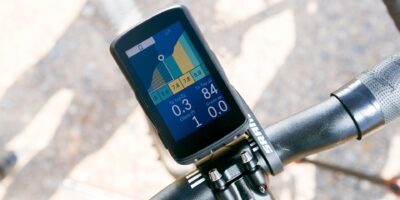
GPS devices and smartphone apps simplify navigation. Download routes and maps before areas with limited connectivity. Battery management is crucial for electronic navigation.
Paper maps serve as backup and provide context electronic screens cannot match. Seeing your route on a physical map helps you understand the landscape and plan ahead.
Ask locals for directions and recommendations. Residents know the good roads, shortcuts, and places to eat. Conversations add richness to your journey beyond what maps provide.
Safety Considerations
Visibility matters more when riding loaded. Bright clothing, lights, and reflective elements help motorists see you. Be extra cautious at intersections where drivers may misjudge your speed.
Secure your bike and gear when stopping. Lock your bike even for quick stops. Keep valuables on your person rather than in unattended bags.
Trust your instincts about situations and people. Most people are helpful and curious about cyclists. Occasionally you may encounter situations that feel wrong. Move on without guilt.
Common First Tour Mistakes
Overpacking
Nearly every new tourist packs too much. Extra weight slows you down, tires you out, and makes the bike handle poorly. Be ruthless about eliminating non-essentials.
After your first tour, spread out everything you carried. Items you never used can stay home next time. Most experienced tourists carry significantly less than beginners.
Rushing
Touring is not racing. Covering more miles does not improve the experience. Allow time to enjoy where you are rather than always thinking about where you are going.
Rest days are not wasted time. Exploring a town, resting tired legs, and waiting out bad weather all contribute to a successful tour. Flexibility with your schedule prevents touring from becoming a chore.
Ignoring the Body
Pain and discomfort signal problems that worsen if ignored. Saddle sores, numbness, and joint pain require attention. Stop to adjust your position, change clothing, or address developing issues.
Rest when tired. Fatigue increases accident risk and reduces enjoyment. Sometimes the best thing for your tour is a nap in the shade rather than more miles.
Your First Tour Awaits
Multi-day bicycle touring combines physical challenge, adventure, and self-discovery in ways few other activities match. The anticipation before your first tour, the satisfaction of completing it, and the memories that last forever make every bit of preparation worthwhile.
Start small, learn from experience, and let each tour inform the next. What begins as a weekend adventure may become a lifelong passion. The road awaits. Start pedaling.
Subscribe for Updates
Get the latest articles delivered to your inbox.
We respect your privacy. Unsubscribe anytime.