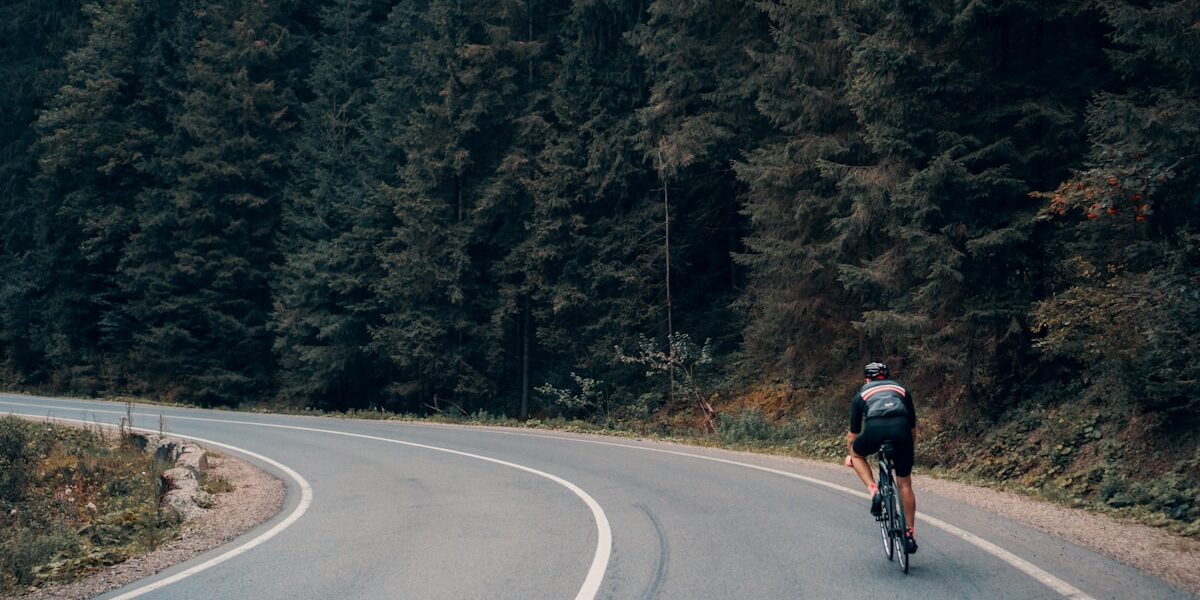
The moment I rolled onto the first bridge leaving Key West, with the Atlantic Ocean stretching endlessly to my left and Florida Bay shimmering to my right, I understood why cyclists travel from around the world to ride the Florida Keys Overseas Heritage Trail. This 106-mile journey from Key West to Key Largo crosses 42 bridges, including the legendary Seven Mile Bridge, and offers an experience unlike anything else in American cycling.
After completing this route twice and spending considerable time researching the best approaches, I can confidently say that proper planning transforms this ride from a challenging endurance test into an unforgettable adventure. Whether you tackle it as a single epic day or spread it across three leisurely days of island-hopping, the Keys deliver constant ocean views, fascinating wildlife, and that unmistakable tropical atmosphere that makes Florida cycling special. That’s what makes this topic endearing to us enthusiasts.
Route Overview and Statistics
The Florida Keys Overseas Heritage Trail follows the historic route of the Overseas Railroad, Henry Flagler’s engineering marvel that once connected Miami to Key West. Today, much of the trail runs parallel to US Highway 1, offering cyclists a dedicated path through this unique archipelago.
Key Statistics
- Total Distance: 106 miles (170 kilometers)
- Elevation Gain: Virtually flat, with less than 500 feet total elevation change
- Bridges: 42, including the iconic Seven Mile Bridge
- Difficulty: Moderate (primarily due to wind exposure and heat)
- Surface: Mix of paved trail and road shoulders
- Direction: Key West to Key Largo (recommended for prevailing winds)
Despite the flat terrain, do not underestimate this route. The combination of persistent crosswinds, relentless sun exposure, and stretches with limited shade creates a genuine physical challenge. I have seen experienced cyclists struggle with the heat more than the distance, which is why proper preparation and timing are essential.
Best Time to Ride
The optimal window for cycling the Keys runs from November through April, and this timing is not negotiable if you want an enjoyable experience. Having ridden this route in both February and early June, the difference was remarkable.
Peak Season: November to April
During these months, you will encounter temperatures between 65-80 degrees Fahrenheit, lower humidity, and minimal hurricane risk. The trade winds remain consistent but manageable, typically blowing from the east-southeast at 10-15 mph. Morning starts during peak season often deliver calm conditions, with winds picking up by late morning.
Seasons to Avoid
Hurricane season runs from June through November, with peak activity in August and September. Beyond the obvious storm risk, summer brings brutally humid conditions with heat indexes exceeding 105 degrees. The combination of minimal shade along the bridges and reflected heat from the pavement makes summer cycling genuinely dangerous.
For the best experience, target late January through early March. Tourist crowds are moderate, weather is ideal, and you will find ample accommodation availability if you plan ahead.
Detailed Segment Breakdown
Probably should have led with this section, honestly. I recommend breaking this route into four logical segments, whether you ride it in one day or spread it across multiple days. Each section has its own character and challenges.
Segment 1: Key West to Big Pine Key (29 miles)
The opening segment eases you into the Keys experience. Departing from Key West at Mile Marker 0, you will pass through Stock Island and cross a series of smaller bridges connecting the lower keys. The first 15 miles feature some of the best dedicated trail sections, with smooth pavement separated from highway traffic.
At Mile Marker 17, you reach Sugarloaf Key, where the excellent Key West Brewhouse makes an ideal early rest stop. The terrain here showcases classic Keys scenery: mangrove channels, shallow flats perfect for spotting rays and sharks, and the occasional bonefish skipping across the surface.
Big Pine Key, home to the National Key Deer Refuge, marks the end of this segment. These miniature deer, found nowhere else in the world, often graze near the road at dawn and dusk. Ride carefully through this area, as deer crossings are common.
Segment 2: Big Pine Key to Marathon (14 miles)
This short but spectacular segment crosses the legendary Seven Mile Bridge, which actually spans 6.79 miles of open water. The current bridge opened in 1982, while the original Flagler bridge runs parallel as a fishing pier and pedestrian path.
Crossing Seven Mile Bridge is the definitive Keys cycling experience. The pavement seems to float above the turquoise water, with nothing but ocean visible in every direction. On clear days, you can spot dolphins playing in the current, sea turtles surfacing for air, and pelicans diving for fish below.
A word of caution: the bridge offers zero shade and zero escape from crosswinds. If conditions deteriorate, you have no option but to continue forward. I recommend checking the weather forecast specifically for wind speed and direction before attempting this crossing. Winds above 20 mph make for a miserable and potentially dangerous experience.
Marathon, at the bridge’s end, serves as the practical midpoint of the Keys and offers the widest selection of services, restaurants, and bike shops. This is your best opportunity to resupply or make emergency repairs.
Segment 3: Marathon to Islamorada (24 miles)
Leaving Marathon, you will cross Channel Five Bridge and enter the middle keys, passing through Long Key State Park, one of the most scenic spots on the entire route. The park offers a welcome rest stop with restrooms, shade, and direct beach access.
This segment features some stretches where the dedicated trail ends, requiring you to ride on the highway shoulder. While the shoulder is generally adequate, traffic can be heavy, particularly on weekends. Remain vigilant and ride single file.
Islamorada, the self-proclaimed Sport Fishing Capital of the World, marks this segment’s end. The village stretches across several keys and offers excellent dining, from fresh seafood at local docks to upscale waterfront restaurants. Robbie’s Marina, famous for hand-feeding tarpon, provides a memorable non-cycling detour if you have time.
Segment 4: Islamorada to Key Largo (39 miles)
The final and longest segment covers the upper keys, gradually transitioning from the quintessential island atmosphere to more developed areas as you approach the mainland. The trail quality varies considerably through this section, with some excellent paved portions interspersed with rougher shoulder riding.
Key Largo, your destination, offers numerous celebration options. The Original Tiki Bar at Marriott’s Key Largo Bay Resort provides a fitting end point, with cold drinks and waterfront views to reward your accomplishment. From Key Largo, most cyclists arrange shuttle transportation back to Key West or continue north toward Miami.
Route Highlights
Seven Mile Bridge
No discussion of this route is complete without emphasizing the Seven Mile Bridge experience. This engineering marvel, the longest bridge in the Florida Keys, offers unobstructed 360-degree ocean views that simply cannot be replicated anywhere else. Time your crossing for early morning if possible, when winds are calmest and the light creates stunning colors on the water.
Bahia Honda State Park
Located near Mile Marker 37, Bahia Honda consistently ranks among Florida’s most beautiful beaches. The park offers camping, snorkeling, and the opportunity to walk across a section of the original Flagler railroad bridge. Even if you do not stay here, take time to explore the park and swim in the crystal-clear water.
Wildlife Viewing
The Keys support remarkable biodiversity. From your bike, expect to see dolphins, manatees in cooler months, sea turtles, ospreys, pelicans, and the endangered Key deer. The shallow flats on the bay side reveal rays, nurse sharks, and countless tropical fish. Bring binoculars if you have room, as the birdwatching opportunities are exceptional.
Accommodation Options
Planning overnight stops requires advance booking during peak season. Here are options for different budgets:
Campgrounds
Bahia Honda State Park offers waterfront camping with basic amenities and stunning sunset views. Long Key State Park provides similar facilities with less crowding. Both require reservations well in advance, particularly for winter dates. Budget approximately $35-50 per night.
Budget-Friendly Motels
The Keys have numerous small motels with reasonable rates outside of holiday periods. Expect to pay $120-180 per night for basic but clean accommodations. Marathon and Key Largo offer the most options in this category.
Mid-Range and Luxury Resorts
For those seeking more comfort after a long day in the saddle, properties like Hawks Cay Resort on Duck Key or Cheeca Lodge in Islamorada provide full amenities including pools, restaurants, and spa services. Rates range from $250-500+ per night depending on season.
Safety Considerations
The Keys present unique safety challenges that require specific preparation:
Wind Exposure
Crosswinds on the bridges can gust unexpectedly, especially during afternoon hours. Maintain a firm grip on your handlebars and avoid riding with aero bars on windy days. If wind speeds exceed 25 mph, consider postponing your ride.
Narrow Shoulders
Some sections lack dedicated trail and require riding on highway shoulders with fast-moving traffic. Wear bright, visible clothing, use rear lights even during daylight, and never ride more than two abreast.
Sun and Heat Protection
The tropical sun is relentless, and shade is scarce. Apply waterproof sunscreen liberally and reapply every two hours. Wear UV-protective arm sleeves and a cycling cap under your helmet. Sunglasses are essential to reduce glare from the water.
Hydration Strategy
Carry more water than you think you need. I recommend minimum 80 ounces of capacity, with planned refill stops every 20-25 miles. Sports drinks or electrolyte supplements are essential in the Keys heat. Don’t wait until you feel thirsty to drink, as dehydration can set in rapidly.
Recommended Gear
Beyond standard cycling equipment, the Keys demand specific gear:
- High-capacity hydration: Minimum two large water bottles or a hydration pack
- Sun protection: SPF 50+ sunscreen, UV arm sleeves, cycling cap, quality sunglasses
- Visibility gear: Front and rear lights, reflective elements, bright jersey colors
- Repair kit: Spare tubes, pump, multi-tool, tire levers (bike shops are few and far between)
- Navigation: GPS device or phone with offline maps downloaded
- Emergency supplies: Basic first aid kit, identification, credit card, cash
Related Warm-Weather Routes
If the Florida Keys experience appeals to you, consider these other excellent warm-weather cycling destinations:
The Texas Hill Country Loop offers spectacular spring riding through wildflower-covered hills and visits to renowned wineries, with the best conditions from March through May.
For dramatic desert scenery and challenging climbs, explore the Sedona to Grand Canyon route in Arizona, which delivers some of the most photogenic terrain in American cycling.
Before tackling any extended warm-weather route, review our winter cycling safety guide for strategies that apply equally to hot-weather riding, including hydration and layering approaches.
Final Thoughts
The Florida Keys Overseas Heritage Trail represents a bucket-list cycling experience that delivers on its promise. The combination of ocean views, historic bridges, unique wildlife, and tropical atmosphere creates memories that last a lifetime. Plan carefully, respect the elements, and prepare for wind and sun, and you will understand why cyclists return to this route year after year.
The Seven Mile Bridge crossing alone justifies the trip, but the entire 106-mile journey offers a consistent sense of adventure and accomplishment. Whether you complete it in one ambitious day or take your time over several days of island-hopping, the Keys deliver an experience found nowhere else in American cycling.
Have you ridden the Florida Keys Overseas Heritage Trail? Share your experience in the comments below, or let us know your questions about planning this iconic route.



Stay in the loop
Get the latest wildlife research and conservation news delivered to your inbox.