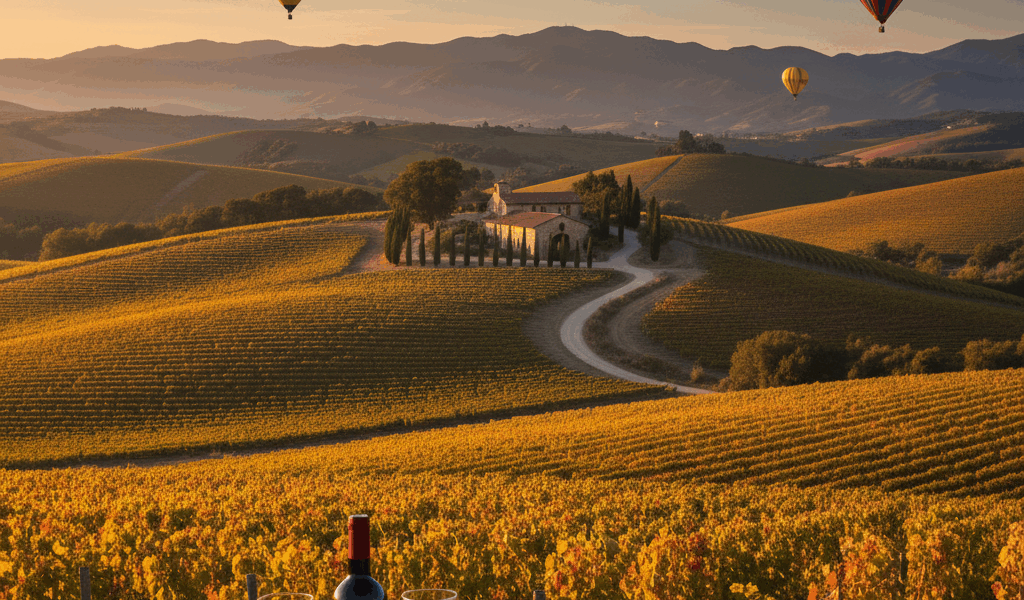
There’s a moment on the Silverado Trail, pedaling past perfectly manicured vineyards with the Mayacamas Mountains rising to the west, when you understand why cyclists from around the world make the pilgrimage to California wine country. I’ve experienced that moment countless times over two decades of riding through Napa and Sonoma counties, and I can tell you that choosing between these two cycling destinations is one of the most pleasant dilemmas any rider will face.
Having logged thousands of miles through both regions on everything from fast-paced group rides to leisurely wine-tasting tours, I’ve come to appreciate that Napa and Sonoma offer fundamentally different cycling experiences. Neither is objectively “better”—they simply cater to different riding styles, fitness levels, and priorities. In this comprehensive guide, I’ll share my firsthand insights to help you decide which wine country cycling adventure is right for you. That’s what makes this topic endearing to us enthusiasts.
Wine Country Cycling: A Tale of Two Valleys
Before we dive into the specifics, let’s establish what makes these neighboring regions so distinct. Despite sharing a border and a reputation for world-class wine, Napa and Sonoma couldn’t be more different in character—and that difference translates directly to the cycling experience.
Napa Valley: The Polished Classic
Napa Valley is essentially a single valley, roughly 30 miles long and five miles wide at its broadest point. This geographic concentration means the cycling routes are more linear, the terrain more consistent, and the wine tourism infrastructure more developed. The valley floor is relatively flat, but the surrounding hills offer serious climbing for those who seek it.
Sonoma County: The Sprawling Adventure
Sonoma County is nearly twice the size of Napa and encompasses multiple distinct regions: the Sonoma Valley, Russian River Valley, Dry Creek Valley, Alexander Valley, and the dramatic Sonoma Coast. This diversity translates to far more varied cycling terrain, from pancake-flat wine country roads to challenging coastal climbs.
Napa Valley Cycling: The Silverado Trail and Beyond
The iconic Silverado Trail serves as the backbone of Napa Valley cycling. This 29-mile route runs parallel to Highway 29, connecting the town of Napa in the south to Calistoga in the north. I’ve ridden this road in every season and every condition, and it remains one of my favorite cycling routes in California—with some important caveats.
The Silverado Trail Experience
The Silverado Trail offers a shoulder that varies from generous to minimal, depending on the section. The pavement quality is generally excellent, maintained to accommodate the steady stream of wine tourists. On a typical ride, you’ll pass dozens of wineries, from household names like Stag’s Leap Wine Cellars to boutique producers tucked into the hillsides.
A standard out-and-back from downtown Napa to Calistoga covers approximately 58 miles with around 2,000 feet of elevation gain. The climbing is gradual but persistent, with the most significant grades appearing as you approach the northern end of the valley. Average riders should budget 4-5 hours for this route, not including any winery stops.
Challenging Climbs in Napa
For cyclists seeking more serious vertical, Napa delivers several memorable climbs:
- Mount Veeder: A 10-mile ascent gaining over 2,000 feet, with grades regularly exceeding 10%. This is a legitimate test piece that will humble unprepared riders.
- Oakville Grade: A shorter but punchy climb connecting the valley floor to the Mayacamas ridge, with spectacular views as your reward.
- Atlas Peak Road: Starting from the Silverado Trail, this demanding climb offers 3,000+ feet of elevation gain and some of the best views in the region.
Traffic Considerations
Here’s the honest truth about cycling in Napa: traffic can be challenging, particularly on weekends and during harvest season (August through October). Highway 29 is essentially a non-starter for enjoyable cycling, which is why most riders stick to the Silverado Trail or venture into the hills.
On busy weekends, even the Silverado Trail sees significant vehicle traffic. Wine tourists aren’t always paying attention to cyclists, and the prevalence of designated drivers means some passengers have been sampling quite liberally. I’ve learned to plan my Napa rides for early mornings—ideally finishing by noon on weekends—to maximize safety and enjoyment.
Sonoma County Cycling: Where the Roads Open Up
Probably should have led with this section, honestly. Crossing into Sonoma County feels like a weight lifting off your shoulders. The roads are quieter, the pace slower, and the cycling infrastructure increasingly cyclist-friendly. This is where I send riders who want the wine country experience without the traffic stress.
Russian River Region
The Russian River Valley has become my go-to recommendation for visiting cyclists. The town of Healdsburg serves as an ideal base, with direct access to three distinct wine regions and hundreds of miles of low-traffic roads.
A classic Sonoma ride starts in Healdsburg, heads north through Dry Creek Valley, loops through Alexander Valley, and returns via Geyserville—approximately 35 miles with 1,500 feet of climbing. The roads are well-maintained, traffic is light even on weekends, and the scenery shifts from valley floor vineyards to forested hillsides.
Sonoma Valley Routes
The Sonoma Valley offers its own distinct character, anchored by the historic town of Sonoma. Arnold Drive provides a pleasant route between Sonoma and Glen Ellen, with wineries, farms, and oak-studded hills creating a quintessentially Californian backdrop.
For more adventurous riders, Trinity Road climbs from Sonoma to the ridgeline separating Sonoma and Napa valleys, offering panoramic views of both regions. This climb gains approximately 1,800 feet over 8 miles and connects to routes descending into either valley.
Coastal Options
What truly sets Sonoma apart is access to the Pacific Coast. The dramatic Sonoma Coast, stretching from Bodega Bay to the Mendocino County line, offers some of California’s most spectacular coastal cycling. Coleman Valley Road from Occidental to the coast is a personal favorite—a challenging climb rewarded with views that stop you in your tracks.
Combining wine country and coastal riding in a single trip is uniquely possible in Sonoma. A multi-day route might include a day in Russian River wine country, a day tackling coastal climbs, and a recovery day exploring the gentler terrain around Sebastopol and Graton.
When to Ride: Timing Your Wine Country Adventure
Both regions are rideable year-round, but certain seasons offer clear advantages.
Spring (March-May)
This is my favorite time to ride Napa and Sonoma. The mustard flowers paint the vineyards yellow, temperatures are mild (60-75°F), and tourist traffic hasn’t reached its summer peak. Rain is still possible, so pack a light rain jacket.
Summer (June-August)
Temperatures can exceed 100°F in both valleys during summer heat waves. Early morning starts are essential—I aim to be rolling by 6 AM and finished by noon. The upside: long daylight hours and minimal rain.
Fall (September-November)
Harvest season brings the highest traffic levels but also stunning fall colors and perfect riding temperatures. If you choose to ride during harvest, stick to weekdays and early mornings. The post-harvest weeks of November can be magical, with golden vineyards and empty roads.
Winter (December-February)
The quietest time for cycling, with cooler temperatures and intermittent rain. Dress in layers, expect wet roads, and enjoy having the wine country largely to yourself.
Where to Stay: Accommodations for Cyclists
Napa Valley Options
Napa Valley accommodations tend toward the upscale, with prices to match. For cyclists, I recommend:
- Yountville: Central location, easy access to Silverado Trail, excellent restaurants for post-ride meals. The Yountville Inn offers bike storage and early breakfast options.
- Calistoga: Northern valley base, closer to the best climbing, more relaxed atmosphere. Dr. Wilkinson’s Hot Springs provides a perfect post-ride recovery soak.
- Downtown Napa: Most affordable option, direct access to the Vine Trail paved path, good restaurant scene.
Sonoma County Options
Sonoma offers more variety and generally better value:
- Healdsburg: My top recommendation for serious cyclists. Excellent access to multiple regions, vibrant downtown, and several bike-friendly hotels including the Harmon Guest House.
- Sebastopol: Quirky town with good access to both wine country and coastal routes. More affordable than Healdsburg.
- Sonoma Town: Historic plaza setting, good base for Sonoma Valley exploration, less convenient for Russian River routes.
Safety First: Wine Tasting and Cycling Responsibly
Let’s address the elephant in the room: combining cycling and wine tasting requires careful planning and restraint.
My Personal Approach
I follow a simple rule: serious riding and serious wine tasting don’t mix on the same day. If the goal is covering significant mileage or tackling challenging climbs, I skip the tasting rooms entirely. If the goal is a leisurely wine tour, I plan a short, flat route with plenty of time between stops.
Practical Guidelines
- Limit yourself to small pours (1-2 oz) if you’re planning to continue riding
- Allow at least 30 minutes and plenty of water between tasting stops
- Plan your route to end at your accommodation, not at a distant winery
- Consider booking a guided bike tour with sag support for wine-focused days
- Never ride on Highway 29 or other high-traffic roads after any alcohol consumption
Traffic Pattern Awareness
Beyond alcohol-related concerns, understanding traffic patterns keeps you safe:
- Morning traffic flows south (toward San Francisco) on weekday mornings
- Weekend traffic peaks between 10 AM and 4 PM on the main corridors
- Wine tour buses and limousines are particularly common on Saturdays
- Harvest season (September-October) brings heavy truck traffic throughout both regions
Essential Gear for Wine Country Cycling
Pack smart for wine country riding:
- Bike: A road bike or gravel bike with 28mm+ tires handles the varied road surfaces well
- Clothing layers: Mornings can be cool and foggy, afternoons warm—arm warmers and a packable vest are essential
- Sun protection: Sunscreen, sunglasses, and a cap under your helmet for shadeless valley floor riding
- Hydration: Two large bottles minimum; refill opportunities exist but can be sparse on rural routes
- Navigation: Reliable GPS or downloaded maps—cell service is spotty in the hills
- Flat kit: Tubes, tire levers, CO2 or pump—the nearest bike shop might be 30+ miles away
- Small lock: For peace of mind during winery or lunch stops
The Verdict: Choosing Your Wine Country Cycling Destination
After two decades of riding both regions, here’s my honest assessment of which destination suits which cyclist:
Choose Napa If You:
- Want the iconic wine country experience with world-famous wineries
- Prefer a more structured, predictable route (the Silverado Trail)
- Are comfortable riding in moderate traffic
- Seek challenging hill climbs (Veeder, Atlas Peak)
- Plan to combine cycling with upscale dining and accommodations
Choose Sonoma If You:
- Prioritize quiet roads and a relaxed riding atmosphere
- Want route variety and exploration opportunities
- Are interested in coastal riding as part of your trip
- Prefer a more laid-back, less polished wine country vibe
- Are looking for better value on accommodations and dining
- Want to connect your ride with routes along the Pacific Coast Highway and other Northern California cycling destinations
The Best of Both Worlds
If time permits, consider a trip that includes both regions. Base yourself in Sonoma for quieter daily rides and coastal exploration, then plan one big day for a Silverado Trail adventure. This approach gives you the diverse terrain of Sonoma with the bucket-list experience of Napa’s iconic valley.
For riders continuing their California cycling adventure, both regions connect beautifully to longer routes. From Sonoma, you can head west to join the legendary Pacific Coast Highway for world-class coastal cycling. From Napa, eastern routes lead toward the Sierra foothills and eventually to iconic climbs in the mountains beyond.
Final Thoughts
Wine country cycling represents California at its finest—beautiful landscapes, excellent roads, world-class food and wine, and a cycling culture that welcomes riders of all abilities. Whether you choose the polished prestige of Napa or the sprawling adventure of Sonoma, you’re in for a memorable experience.
My advice? Start planning your trip for spring or fall, book your accommodations early, and prepare for rides that will leave you understanding why so many cyclists return to wine country year after year. The combination of challenging terrain, stunning scenery, and post-ride rewards is simply unmatched anywhere else in the country.
This guide is based on over 20 years of personal cycling experience in Napa and Sonoma counties, including countless rides on the routes described. Route conditions, winery hours, and local regulations may change—always verify current information before your trip.