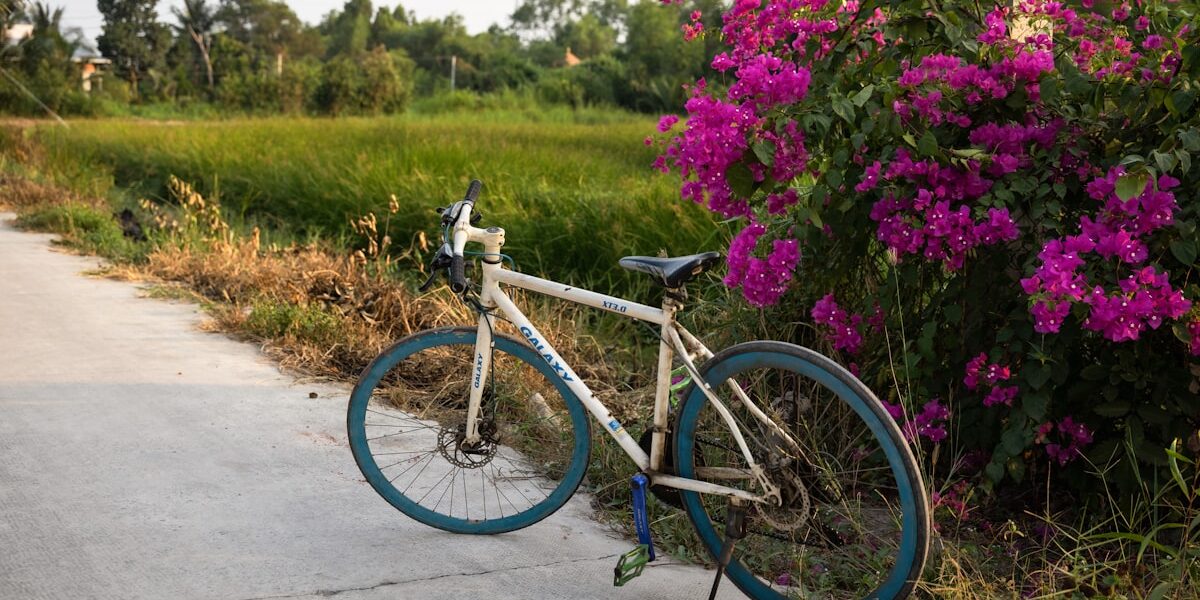
The moment I crested the final climb on Highway 180 and caught my first glimpse of the Grand Canyon’s South Rim, I understood why cyclists call this route a transformational experience. After 110 miles of pedaling through Arizona’s most dramatic landscapes, from the mystical red rocks of Sedona through the alpine forests of Flagstaff to the edge of one of Earth’s most spectacular natural wonders, I was exhausted, exhilarated, and forever changed. This is the Sedona to Grand Canyon ride, and it remains one of the most challenging and rewarding cycling experiences I’ve ever undertaken.
As someone who has logged over 15,000 miles across the American Southwest, I can tell you that this route is not for casual riders. It demands respect, preparation, and a deep appreciation for both the beauty and the brutality of desert cycling. But for those who are ready, this journey offers rewards that few other rides can match. That’s what makes this topic endearing to us enthusiasts.
Route Overview and Key Statistics
The Sedona to Grand Canyon route covers approximately 110 miles with over 6,000 feet of elevation gain, taking riders from the desert floor to the rim of the continent’s most famous canyon. This is a challenging to advanced ride that typically takes experienced cyclists 8-12 hours to complete, though many prefer to split it into a two-day adventure.
Key Route Statistics
- Total Distance: 110 miles (177 km)
- Total Elevation Gain: 6,200+ feet (1,890 meters)
- Starting Elevation: 4,500 feet (Sedona)
- Highest Point: 7,200 feet (approaching Grand Canyon)
- Difficulty: Challenging/Advanced
- Road Surface: Paved throughout (Highway 89A, US-180, AZ-64)
- Recommended Completion Time: 1-2 days
The route follows established highways with generally good pavement and moderate traffic outside of peak tourist season. However, the combination of significant climbing, potential extreme temperatures, and limited services between towns makes this a serious undertaking that requires thorough preparation.
Best Time to Ride: Spring and Fall Windows
Timing is absolutely critical for this route. The extreme temperature variations of the Arizona desert and high country mean there are really only two optimal windows for this ride.
Spring Season: March through May
Spring offers perhaps the most reliable conditions for the Sedona to Grand Canyon ride. During this window, you can expect:
- Sedona temperatures: 55-75 degrees F (ideal for morning starts)
- Flagstaff temperatures: 40-60 degrees F (comfortable climbing weather)
- Grand Canyon temperatures: 35-55 degrees F (may be cool at the rim)
- Lower tourist traffic before summer rush
- Possible wildflowers in lower elevations
- Occasional spring storms (always check forecasts)
April is generally the sweet spot, offering the best balance of manageable temperatures throughout the route. Early May can work well but watch for increasing afternoon heat in Sedona.
Fall Season: September through November
Fall riding offers stunning autumn colors through Oak Creek Canyon and cooler temperatures after the summer heat breaks:
- Mid-September often still has warm Sedona temperatures
- October provides spectacular fall foliage through Oak Creek Canyon
- November brings cooler weather but potential for early snow at higher elevations
- Generally stable weather patterns
- Beautiful golden light for photography
Critical Warning: Avoid June through August entirely. Summer temperatures in Sedona routinely exceed 100 degrees F, creating genuinely dangerous conditions for cyclists. Even experienced desert riders have succumbed to heat-related illness on this route during summer months. No ride is worth risking your life.
Detailed Segment Breakdown
Segment 1: Sedona to Flagstaff via Oak Creek Canyon (28 miles)
Probably should have led with this section, honestly. This opening segment is one of the most spectacular climbs in American cycling. Highway 89A winds through Oak Creek Canyon, a geological masterpiece carved over millions of years. The climb gains approximately 2,700 feet over 28 miles, with the steepest grades coming in the final push to Flagstaff.
Mile 0-5: Uptown Sedona to Slide Rock
Begin in Uptown Sedona with the red rocks towering around you. The initial miles follow Oak Creek through sycamore groves and past resort properties. Traffic can be heavy here during tourist season, so an early morning start is essential. The grade is gentle, allowing you to warm up while absorbing the stunning scenery.
Mile 5-15: Slide Rock to Oak Creek Vista
The canyon narrows and the climbing intensifies. You’ll pass Slide Rock State Park, a popular swimming destination that creates traffic congestion on summer weekends. The road climbs steadily with grades averaging 4-6 percent. The canyon walls rise dramatically around you, with towering pines beginning to replace the desert vegetation.
Mile 15-28: The Switchbacks to Flagstaff
The final section features the famous Oak Creek Canyon switchbacks, a series of tight turns that climb rapidly to the Mogollon Rim. Grades here reach 8-10 percent in places, demanding your climbing legs and low gearing. At Oak Creek Vista overlook, pause to catch your breath and take in the sweeping views back down the canyon you’ve just conquered.
Segment 2: Flagstaff to Williams Junction (32 miles)
After the intensity of Oak Creek Canyon, the Flagstaff section offers some relief. You’ll ride through town on a mix of bike paths and city streets before picking up US-180 heading toward the Grand Canyon.
Flagstaff sits at 7,000 feet elevation, so expect cooler temperatures and potentially strong winds. The riding here is relatively flat with gentle rollers through ponderosa pine forest. This is an excellent opportunity to refuel, as Flagstaff offers the last full-service town before the canyon.
The terrain is high desert transitioning to pine forest, with views of the San Francisco Peaks, Arizona’s highest mountains, dominating the northern horizon. Watch for elk, especially during dawn and dusk hours.
Segment 3: Williams Junction to Grand Canyon South Rim (50 miles)
The final push to the Grand Canyon covers 50 miles of high desert plateau riding. Highway 64 runs through increasingly remote terrain, with long stretches between services. The small gateway community of Tusayan, located 7 miles from the canyon rim, provides the last opportunity for supplies.
This segment features gradual climbing with some rolling terrain. The landscape opens up dramatically, with vast expanses of pinyon-juniper forest giving way to open grasslands. The final approach to the South Rim builds anticipation, as you know that one of Earth’s greatest spectacles awaits just ahead.
When you finally reach the rim and peer into the mile-deep abyss, the physical effort of the journey transforms into something approaching spiritual experience. I’ve made this ride three times now, and the moment of arrival never loses its power.
Scenic Highlights and Points of Interest
Red Rock Country
Sedona’s red rock formations are world-renowned for good reason. The crimson sandstone towers and buttes create an otherworldly landscape that seems almost supernatural in the early morning light. Cathedral Rock, Bell Rock, and the Chapel of the Holy Cross are visible from the road as you begin your journey.
Oak Creek Canyon
Often called Arizona’s version of the Grand Canyon, Oak Creek Canyon is a masterpiece of erosion and geological time. The creek flows year-round, creating a lush riparian corridor through the high desert. Fall colors here rival anything in New England, with cottonwoods, oaks, and maples creating brilliant displays.
Ponderosa Pine Forests
The transition from desert to alpine forest happens surprisingly quickly as you climb to Flagstaff. The world’s largest contiguous ponderosa pine forest surrounds the city, filling the air with the distinctive vanilla-butterscotch scent that these remarkable trees produce.
Grand Canyon South Rim
Words cannot adequately describe the Grand Canyon. Standing at the rim after cycling 110 miles to reach it creates an emotional response that driving simply cannot replicate. You’ve earned every inch of that view through your own physical effort, and that makes the experience incomparably more meaningful.
Accommodation Options
Sedona (Starting Point)
Sedona offers accommodations ranging from luxury resorts to budget motels. For cyclists, I recommend staying near Uptown Sedona for an early morning start. The L’Auberge de Sedona provides excellent pre-ride meals, while the Sky Ranch Lodge offers stunning red rock views at moderate prices.
Flagstaff (Midpoint for Two-Day Rides)
If you’re splitting this into a two-day adventure, Flagstaff makes an ideal overnight stop. The historic downtown area offers numerous restaurants and hotels. The Weatherford Hotel and Hotel Monte Vista provide character and history, while chains like Hampton Inn offer reliable cyclist-friendly amenities including secure bike storage.
Tusayan (Gateway Community)
Located 7 miles from the South Rim, Tusayan provides last-chance lodging before entering the national park. Options here tend toward the chain hotel variety, but the Best Western and Holiday Inn Express both offer clean rooms and early breakfast options.
Grand Canyon Lodges
Staying inside the park provides the ultimate experience. El Tovar Hotel is the premier option, a historic lodge perched directly on the rim. Bright Angel Lodge offers more affordable rates with similar location advantages. Book well in advance, as these properties fill months ahead during peak season.
Critical Safety Considerations
Extreme Heat Management
The Arizona desert demands respect. Even in the recommended spring and fall seasons, temperatures can spike unexpectedly. Plan to start before dawn from Sedona to complete the low-elevation sections before the heat of the day. Carry emergency electrolyte tablets and know the signs of heat exhaustion and heat stroke.
Altitude Adaptation
The route takes you from 4,500 feet to over 7,000 feet elevation. If you’re coming from sea level, consider spending at least one night in Sedona to begin acclimatization before attempting the ride. Altitude affects everyone differently, but headaches, shortness of breath, and reduced performance are common for unacclimatized riders.
Limited Services
Once you leave Flagstaff, services become sparse. The 50-mile stretch to the Grand Canyon has limited options for water, food, and mechanical assistance. Plan to carry everything you might need, and tell someone your planned route and expected arrival time.
Traffic Awareness
Highway 89A through Oak Creek Canyon sees significant tourist traffic, especially during summer weekends. RVs and distracted drivers are common. Use lights, wear bright colors, and never assume drivers see you. The final approach to the Grand Canyon on Highway 64 has wide shoulders and generally lighter traffic.
Essential Gear Recommendations
Water Capacity
This is non-negotiable: carry a minimum of 100 ounces of water capacity, and preferably more. I ride with two large bottles plus a hydration pack for a total of 140 ounces. Plan your refill points carefully and never pass a water source if your bottles are less than half full.
Sun Protection
Arizona sun at elevation is intense. Wear sunscreen with SPF 50 or higher and reapply every 2 hours. A cycling cap under your helmet protects your scalp and reduces glare. Arm sleeves provide coverage while allowing airflow, and quality sunglasses are essential for eye protection.
Mechanical Preparedness
Carry a complete tire repair kit including multiple tubes, patches, tire levers, and a reliable pump or CO2 inflator. A basic multi-tool, chain quick links, and emergency brake pads can prevent a mechanical issue from ending your ride prematurely.
Emergency Supplies
Cell service is unreliable through much of this route. Carry a basic first aid kit, emergency blanket, and consider a satellite communicator like the Garmin inReach for remote sections. Pack more food than you think you’ll need; bonking in remote desert terrain is dangerous.
Connecting This Ride to Your Southwest Cycling Adventures
The Sedona to Grand Canyon route is just one of many exceptional cycling experiences in the American Southwest. If you’re planning a desert cycling adventure, consider combining this ride with the equally spectacular Utah Scenic Byway 12 route, which offers another world-class red rock cycling experience through Bryce Canyon and Capitol Reef National Parks.
For those building a longer Southwest tour, the region offers incredible diversity. From the alpine challenges of Trail Ridge Road in Colorado to the wine country beauty of Northern California, cyclists can create multi-week adventures that showcase the best of American cycling.
Final Thoughts: Why This Ride Matters
The Sedona to Grand Canyon ride is more than a physical challenge. It’s a journey through geological time, from the ancient red rocks of Sedona through the volcanic fields around Flagstaff to the incomprehensibly ancient layers exposed in the Grand Canyon. Cycling allows you to experience this transition intimately, feeling every foot of elevation change in your legs and lungs.
When you stand at the South Rim after completing this ride, you’ll understand something that casual tourists never grasp: the landscape has been earned through effort and witnessed at human speed. That transforms a scenic overlook into a profound personal achievement.
If you’re ready for a challenging ride that will stay with you forever, the Sedona to Grand Canyon route awaits. Just remember to respect the desert, prepare thoroughly, and give yourself time to absorb the extraordinary landscapes you’ll traverse. Some rides change how you see the world. This is one of them.
About the author: This guide is based on multiple rides of the Sedona to Grand Canyon route between 2019-2024, including both single-day efforts and two-day tours. Route conditions and services may change; always verify current information before your ride.