Introduction: A Bucket-List Cycling Experience in Glacier National Park
In my experience riding this route over three consecutive summers, Going-to-the-Sun Road stands as one of the most breathtaking and demanding cycling challenges in North America. This 50-mile ribbon of pavement cuts through the heart of Glacier National Park, ascending from dense cedar forests to the alpine tundra of Logan Pass at 6,646 feet elevation. Every pedal stroke rewards you with views that seem to improve with each switchback.
Having guided dozens of cyclists through this route and ridden it myself in varying conditions, I can confidently say that proper preparation transforms this ride from an overwhelming challenge into an unforgettable adventure. The combination of dramatic elevation changes, unpredictable mountain weather, and the ever-present possibility of wildlife encounters makes Going-to-the-Sun Road unlike any other cycling experience in the lower 48 states.
This guide draws from my years of riding this route and countless conversations with fellow cyclists, park rangers, and local cycling clubs to provide you with everything needed to plan and execute this iconic ride safely and successfully.
Route Overview and Statistics
Going-to-the-Sun Road stretches 50 miles from West Glacier to St. Mary on the park’s east side, or vice versa. Most cyclists approach from the west side, tackling the more gradual ascent to Logan Pass before enjoying a thrilling descent toward St. Mary.
Key Route Statistics
- Total Distance: 50 miles point-to-point
- Elevation Gain: Approximately 3,300 feet climbing to Logan Pass from West Glacier
- Summit Elevation: 6,646 feet at Logan Pass
- Difficulty Rating: Challenging – suitable for experienced cyclists with strong climbing fitness
- Average Completion Time: 4-7 hours depending on fitness and stops
- Road Surface: Paved throughout, generally well-maintained
The climb averages around 4-5% gradient with some sections reaching 6-7%, particularly in the final miles approaching Logan Pass. What makes this climb especially demanding is not just the gradient but the altitude, which noticeably affects breathing and power output for cyclists accustomed to lower elevations.
Best Time to Ride Going-to-the-Sun Road
The cycling window for Going-to-the-Sun Road typically spans from mid-June through late September, though exact dates depend entirely on snowpack and plowing progress. The road often doesn’t fully open until late June or even early July in heavy snow years.
Month-by-Month Breakdown
June: Early season offers cooler temperatures and fewer crowds, but the road may not be fully open. Check park status daily. Snow walls along the road can reach 20+ feet, creating a dramatic corridor. Water crossings from snowmelt may be present.
July: Peak summer conditions with long daylight hours. This is prime riding season, though traffic and visitor numbers also peak. Wildflowers begin blooming at higher elevations. Temperatures range from 50-75F typically.
August: Generally the warmest and most stable weather month. Wildflower meadows reach peak bloom. Afternoon thunderstorms become more common late in the month. Wildlife is frequently spotted as animals prepare for fall.
September: Shoulder season offers stunning fall colors, reduced crowds, and cooler temperatures. Days grow shorter, requiring earlier starts. Some facilities begin closing mid-month. Weather becomes more unpredictable with early snow possible at the pass.
Time of Day Considerations
I strongly recommend starting your ride before 7:00 AM regardless of which month you choose. Early starts provide several advantages: significantly less vehicle traffic, better wildlife viewing opportunities, more comfortable temperatures for climbing, and time to complete the route before afternoon thunderstorms that often develop in summer months.
Detailed Segment Breakdown
Segment 1: West Glacier to Lake McDonald Lodge (10 miles)
The ride begins at the West Glacier entrance station with a gentle warm-up through old-growth cedar and hemlock forest. This rolling section along the shores of Lake McDonald allows your legs to find their rhythm before the serious climbing begins. The road surface is excellent, and traffic tends to be lighter in this initial stretch.
Key landmarks include Apgar Village at mile 2, where you’ll find the last reliable services before Logan Pass, and Lake McDonald Lodge at mile 10. Consider a brief stop at the lodge to top off water bottles and use restroom facilities.
Segment 2: Lake McDonald Lodge to The Loop (11 miles)
After the lodge, the road begins climbing in earnest through McDonald Valley. The grade increases gradually, and you’ll pass stunning waterfalls including McDonald Falls and Sacred Dancing Cascade. The forest transitions from cedar to spruce and fir as you gain elevation.
The Loop, a famous hairpin turn at mile 21, marks the point where the climbing intensifies significantly. This is an excellent spot for a rest and photos before tackling the upper mountain. From here, views begin opening up dramatically.
Segment 3: The Loop to Logan Pass (11 miles)
This segment represents the heart of the Going-to-the-Sun Road cycling experience. The road narrows considerably and hugs the Garden Wall, a dramatic knife-edge ridge carved by glaciers. In my experience, this section delivers both the greatest challenge and the most spectacular rewards.
Notable features include:
- Bird Woman Falls Overlook: A must-stop viewpoint at mile 24
- Weeping Wall: Water cascades directly onto the roadway during peak snowmelt
- Big Bend: A sweeping curve with views of Heaven’s Peak
- Triple Arches: Historic stone arches that frame the road
The final 3 miles to Logan Pass include the steepest grades of the climb. Pace yourself and embrace the granny gear. The views of glacially-carved cirques and hanging valleys are extraordinary.
Segment 4: Logan Pass to St. Mary (18 miles)
After celebrating your summit achievement at Logan Pass (elevation 6,646 feet), the descent toward St. Mary begins. This side of the park offers a completely different character, with open alpine meadows giving way to rolling prairie landscapes.
The descent is exhilarating but demands attention. The road remains narrow with minimal shoulders, and crosswinds can be fierce on the exposed eastern slopes. Control your speed, especially around blind corners, and watch for wildlife. In my experience, this section sees more wildlife encounters than the west side, with mountain goats, bighorn sheep, and bears commonly spotted.
Key stops include Wild Goose Island Overlook, which frames the iconic view of St. Mary Lake, and Sun Point, offering access to short hiking trails and lake views.
Permit and Access Requirements
As of recent years, Glacier National Park requires vehicle reservations during peak season (late May through early September) for the Going-to-the-Sun Road corridor between 6:00 AM and 3:00 PM.
For Cyclists Specifically
- Bicycle Entry: Cyclists do NOT need the vehicle reservation but still must pay park entrance fees
- Park Pass: $35 for a 7-day vehicle pass, or use America the Beautiful Annual Pass ($80)
- Entrance Stations: Plan for brief waits at West Glacier or St. Mary entrance stations
Logistics for Point-to-Point Riding
Since Going-to-the-Sun Road is a point-to-point route, you’ll need to arrange return transportation:
- Shuttle Services: Several local outfitters offer shuttle services between West Glacier and St. Mary
- Two-Car Approach: Position one vehicle at each end if traveling with a group
- Out-and-Back Option: Some cyclists ride from West Glacier to Logan Pass and return the same way, reducing the climb to a 44-mile round trip
Safety Tips and Challenges
Narrow Road Conditions
Going-to-the-Sun Road is narrow by design, originally constructed in the 1930s. Vehicles over 21 feet long or 8 feet wide are prohibited between Avalanche Creek and Sun Point. Even with size restrictions, expect close passes from vehicles, tour buses, and RVs. Use mirrors, maintain visibility, and consider wearing bright clothing.
Wildlife Encounters
Glacier National Park supports healthy populations of grizzly bears, black bears, mountain lions, mountain goats, and bighorn sheep. Wildlife encounters are common, especially in early morning hours.
Bear Safety Protocol:
- Carry bear spray and know how to use it (practice at home with inert cans)
- Make noise around blind corners
- Never approach wildlife for photos
- If you encounter a bear, stop cycling, speak calmly, and slowly back away
Weather Hazards
Mountain weather changes rapidly at 6,000+ feet elevation. In my experience, you should prepare for:
- Temperature Swings: 30-40 degree differences between valley floor and Logan Pass
- Afternoon Thunderstorms: Common June through September, often arriving suddenly
- Rain and Hail: Even on clear mornings, always pack rain gear
- Cold Descents: The 18-mile descent to St. Mary creates significant wind chill
Altitude Considerations
Cyclists coming from sea level or low elevations should allow 1-2 days of acclimatization before attempting the full route. Symptoms of altitude sickness include headache, nausea, and unusual fatigue. Stay hydrated and listen to your body.
Essential Gear and Packing List
Clothing Layers
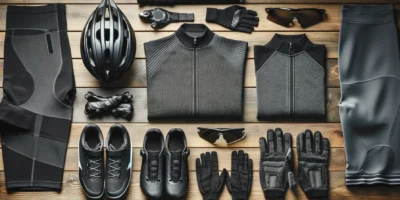
Layering is absolutely essential for this route. Even on warm summer days, temperatures at Logan Pass can be 30+ degrees cooler than at West Glacier. My recommended layering system includes:
- Base Layer: Moisture-wicking cycling jersey
- Mid Layer: Lightweight arm warmers and leg warmers (easy to remove)
- Outer Layer: Packable wind jacket (mandatory) and rain jacket (highly recommended)
- Descent Gear: Full-finger gloves and a lightweight vest for the cold descent
Safety Equipment
- Bear Spray: Non-negotiable for riding in Glacier (available for purchase in park gift shops)
- Helmet: Standard requirement for mountain descents
- Rear-View Mirror: Essential for monitoring approaching traffic on narrow roads
- Front and Rear Lights: Even for daytime riding, lights improve visibility
- Repair Kit: Spare tubes, pump, multi-tool, tire levers
Nutrition and Hydration
- Water Capacity: Minimum 2 bottles (50+ oz) – refill at Lake McDonald Lodge and Logan Pass
- Food: Enough for 5-7 hours; pack real food alongside energy gels
- Electrolytes: Essential at altitude where dehydration accelerates
Related Mountain Routes to Explore
If Going-to-the-Sun Road ignites your passion for mountain cycling, consider adding these equally spectacular routes to your bucket list:
- Trail Ridge Road, Colorado – America’s highest continuous paved road reaches over 12,000 feet, offering an even more dramatic altitude challenge through Rocky Mountain National Park.
- Utah Scenic Byway 12 – This 124-mile route through red rock country delivers stunning desert climbing through Bryce Canyon and Grand Staircase-Escalante.
- Sedona to Grand Canyon – Arizona’s toughest day ride combines high desert landscapes with significant elevation challenges.
- Green Mountain Century, Vermont – The East Coast’s most challenging century offers dramatic climbing through Vermont’s scenic mountain terrain.
Final Thoughts on Riding Going-to-the-Sun Road
Going-to-the-Sun Road represents American cycling at its most spectacular and demanding. In my experience guiding cyclists through this route, those who succeed share common traits: they prepare thoroughly, respect the mountain environment, start early, and embrace the challenge rather than fighting it.
The views from Logan Pass, earned through hours of steady climbing, create memories that endure long after the muscle fatigue fades. Whether you’re adding this route to a cycling tour of the Pacific Northwest or making it a destination ride, Going-to-the-Sun Road delivers an experience that justifies its reputation as one of America’s greatest cycling roads.
Plan carefully, pack appropriately, and prepare to be transformed by one of the most beautiful places accessible by bicycle anywhere in the world.
This guide was written based on multiple seasons of personal riding experience on Going-to-the-Sun Road and ongoing research into current park regulations and conditions. Always verify current road status and permit requirements with Glacier National Park before planning your ride.


Stay in the loop
Get the latest cycle routes world updates delivered to your inbox.