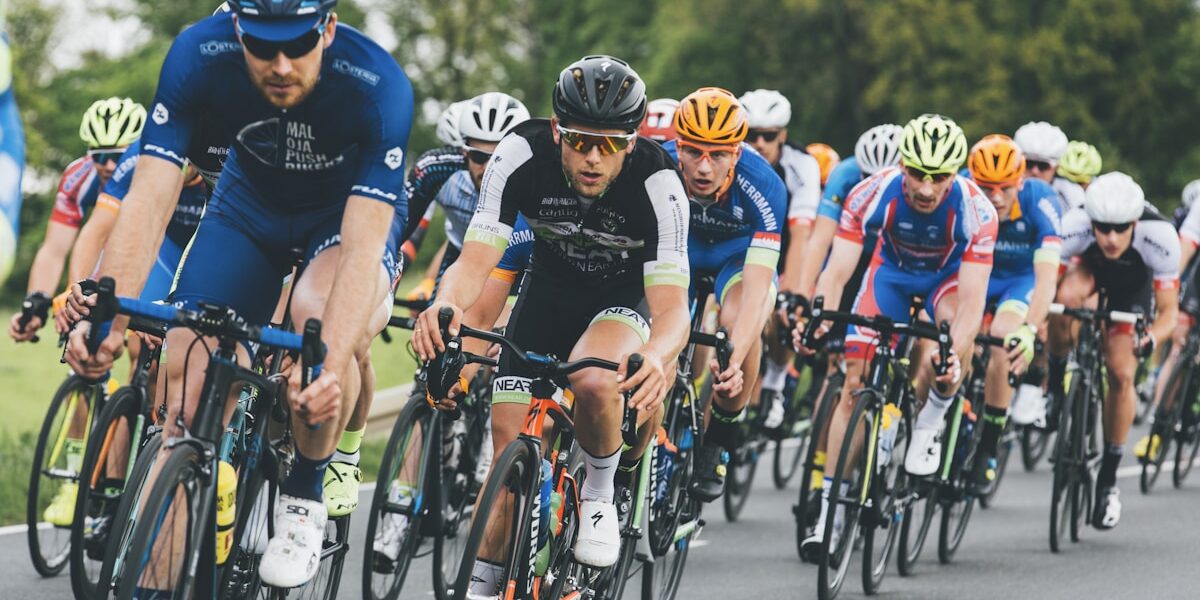
Road cycling transforms how you experience the world. Whether you want to get fit, explore new places, or eventually compete, road cycling offers something for everyone. This comprehensive guide covers everything a new road cyclist needs to know, from choosing your first bike to completing your first century ride.

Why Choose Road Cycling
Road cycling stands apart from other forms of cycling due to its efficiency and speed. Road bikes are designed to minimize weight and maximize aerodynamics. On smooth pavement, you can cover ground faster and more efficiently than on any other type of bike. Many road cyclists find this speed intoxicating. That’s what makes this topic endearing to us enthusiasts.
Beyond speed, road cycling offers significant health benefits. Regular cycling improves cardiovascular fitness, builds leg strength, and burns calories effectively. A 150-pound rider burns approximately 400-500 calories per hour at a moderate pace. Unlike running, cycling is low-impact and easier on joints, making it suitable for riders of all ages.
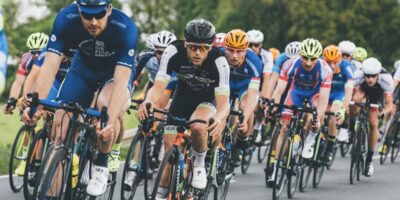
The social aspect of road cycling also attracts many riders. Group rides create camaraderie and accountability. Riding in a pack, or peloton, teaches drafting skills and makes long distances more manageable. Most cycling communities welcome beginners and offer no-drop rides where no one gets left behind.
Choosing Your First Road Bike
Your first road bike does not need to be expensive, but it should fit properly. A bike that fits will be more comfortable, more efficient, and safer than one that does not. Most importantly, a properly fitting bike encourages you to ride more.
Frame Materials
Modern road bikes come in several frame materials, each with trade-offs between weight, durability, and price.
Aluminum: Most entry-level road bikes use aluminum frames. Aluminum is lightweight, affordable, and durable. It transfers power efficiently, though it transmits more road vibration than other materials. An aluminum frame with a carbon fork represents excellent value for new riders.
Carbon Fiber: Carbon frames are lighter and absorb road vibration better than aluminum. They allow frame designers more flexibility in shaping the bike for aerodynamics and comfort. Carbon bikes cost more but offer noticeable performance benefits. Mid-range carbon bikes are now accessible to recreational riders.
Steel: Classic steel frames remain popular with touring cyclists and those who appreciate traditional aesthetics. Steel offers a smooth ride quality and is easy to repair. Modern steel bikes are lighter than their ancestors but still heavier than aluminum or carbon alternatives.
Groupset Components
The groupset includes your shifters, derailleurs, brakes, crankset, and cassette. Major groupset manufacturers include Shimano, SRAM, and Campagnolo. Higher-tier groupsets shift more precisely, weigh less, and last longer.
For beginners, mid-range groupsets like Shimano 105 or SRAM Rival offer excellent performance at reasonable prices. Entry-level groupsets like Shimano Claris or Sora work well but require more frequent adjustment. Avoid the lowest tier groupsets if possible, as shifting quality drops noticeably.
Wheel Quality
Wheels affect acceleration, climbing performance, and ride quality. Stock wheels on entry-level bikes are typically heavy but durable. Upgrading wheels later is one of the most noticeable performance improvements you can make.
Look for wheels with sealed bearings and quality hubs. Rim depth affects aerodynamics and weight. Shallower rims are lighter and better for climbing, while deeper rims are more aerodynamic on flat roads.
Essential Gear and Accessories
Probably should have led with this section, honestly. Beyond the bike itself, certain gear is essential for safe and comfortable road cycling.
Helmet
A properly fitted helmet is non-negotiable. Modern road helmets are lightweight, well-ventilated, and comfortable for long rides. Replace your helmet after any crash or every five years, as materials degrade over time.
MIPS technology, found in many modern helmets, reduces rotational forces during angled impacts. While MIPS helmets cost slightly more, the additional protection is worth considering.
Cycling Clothing
Road cycling clothing may look unusual to non-cyclists, but every element serves a purpose. Tight-fitting jerseys reduce drag and wick sweat. Back pockets hold nutrition and small items. Cycling shorts with chamois padding reduce friction and provide cushioning.
Start with one or two quality bib shorts or cycling shorts and a couple of jerseys. Avoid underwear beneath cycling shorts, as the seams cause chafing. Invest in quality chamois cream to reduce friction on longer rides.
Layer for cold weather rather than buying separate winter gear initially. Arm warmers, leg warmers, and a gilet extend your existing kit to cooler temperatures. Base layers help in cold weather, while a rain jacket is essential for wet climates.
Cycling Shoes and Pedals
Clipless pedals and cycling shoes transform your pedaling efficiency. Despite the confusing name, clipless pedals use a cleat attached to your shoe that clips into the pedal. This connection allows you to push and pull through the entire pedal stroke.
New cyclists often fear being attached to the bike, but unclipping becomes instinctive after a few rides. Practice clipping in and out in a doorway or against a wall before riding. Everyone falls once or twice when learning, usually at low speed.
Road cycling shoes have stiff soles that transfer power efficiently. Three-bolt cleats used with road-specific pedals offer the largest platform and most secure connection. Two-bolt SPD-style cleats are easier to walk in and some riders prefer them for casual riding.
Repair Essentials
Every road cyclist should carry basic repair supplies. At minimum, bring a spare inner tube, tire levers, a mini pump or CO2 inflator, and a small multi-tool. Learn to change a flat before you get one on the road.
A saddle bag keeps repair supplies organized and out of the way. Some riders prefer to carry items in their jersey pockets. Either approach works as long as you have the essentials when you need them.
Basic Road Cycling Skills

Shifting Gears
Use your gears to maintain a comfortable cadence regardless of terrain. Cadence is how fast you pedal, measured in revolutions per minute (RPM). Most cyclists pedal most efficiently between 80-100 RPM.
Shift to easier gears before you need them, especially before hills. Shifting under heavy load strains your drivetrain and makes shifting less reliable. Anticipate terrain changes and shift proactively.
Your left shifter controls the front derailleur for big gear changes. Your right shifter controls the rear derailleur for fine-tuning. Stay in the middle chainring for most riding and use the full range of the cassette.
Braking Technique
Use both brakes together for maximum stopping power. The front brake provides most of your stopping force but can cause you to flip over the handlebars if applied too abruptly. Apply brakes progressively, increasing pressure as needed.
Brake before corners, not during them. Braking while leaned over reduces traction and can cause crashes. Enter corners at a controlled speed and accelerate out of them.
In wet conditions, braking performance decreases significantly. Allow extra stopping distance and brake earlier than you would in dry conditions. Disc brakes perform better than rim brakes in wet weather.
Cornering Confidence
Cornering on a road bike takes practice but becomes natural with experience. Look through the corner to where you want to go, not at obstacles you want to avoid. Your bike follows your eyes.
Weight your outside pedal at the bottom of the pedal stroke through corners. This lowers your center of gravity and increases traction. Keep your inside pedal up to avoid striking the ground.
Start with gentle corners and gradually increase your lean angle as confidence grows. Slow down more than you think necessary initially. Speed through corners comes with experience and trust in your tires.
Climbing Hills
Hills challenge new cyclists, but climbing technique improves quickly with practice. Shift to an easier gear before the gradient increases. Stay seated as long as possible, as standing uses more energy.
Find a sustainable rhythm and stick with it. Many beginners start too fast and struggle before the top. Start conservatively and increase effort if you have energy remaining near the summit.
Keep your hands on the tops of the bars for easier breathing during climbs. Maintain a steady cadence even if it means going slowly. Speed is less important than reaching the top with energy remaining.
Group Riding Basics
Group riding requires trust and communication. Maintain a steady pace and avoid sudden movements. The rider behind you is inches from your wheel and cannot see the road ahead.
Point out hazards and call out obstacles. Learn common hand signals and verbal calls used in your cycling community. Warn others before slowing or stopping.
Drafting behind another rider reduces your effort by up to 30%. Ride one to two feet behind the wheel in front, keeping your front wheel behind their rear wheel. Avoid overlapping wheels, as even slight contact can cause crashes.
Training for Longer Rides
Building Endurance
Start with rides you can complete comfortably and gradually increase duration. The 10% rule suggests increasing weekly volume by no more than 10% per week. More aggressive increases raise injury risk.
Consistency matters more than intensity for building endurance. Three 90-minute rides per week build more fitness than one 4-hour ride on weekends. Regular riding teaches your body to burn fat efficiently and builds aerobic capacity.
Include one longer ride each week to build endurance for your goal events. This long ride should be at conversational pace, slow enough that you could talk easily. Reserve intensity for shorter rides.
Nutrition and Hydration
Fuel properly to complete longer rides. For rides under 90 minutes, water may be sufficient. Beyond 90 minutes, consume carbohydrates to maintain energy levels.
Aim for 30-60 grams of carbohydrates per hour on longer rides. Energy gels, bars, and chews are convenient options. Real food works too, including bananas, dates, and sandwiches.
Drink before you are thirsty. By the time you feel thirsty, you are already dehydrated. Aim for one bottle (16-24 ounces) per hour in mild conditions, more in heat and humidity. Add electrolytes for rides over two hours.
Recovery Between Rides
Improvement happens during recovery, not during the ride itself. Sleep well, eat adequately, and space hard efforts to allow adaptation. Overtraining is common among enthusiastic new cyclists.
Active recovery rides at very easy intensity promote blood flow without adding training stress. Light spinning at conversational pace for 30-45 minutes can help you recover faster than complete rest.
Foam rolling and stretching help maintain flexibility and reduce muscle soreness. Pay attention to your hip flexors, hamstrings, and quadriceps, which tighten from cycling position.
Completing Your First Century
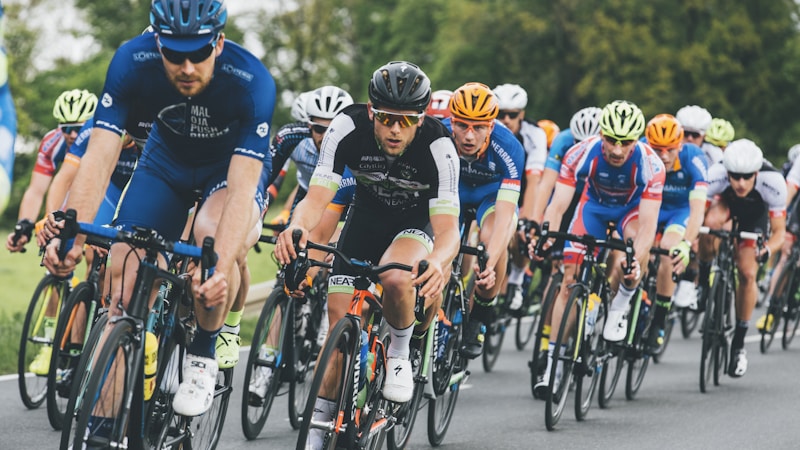
A century ride covers 100 miles and represents a significant milestone for road cyclists. With proper preparation, most reasonably fit cyclists can complete a century within six months of starting to ride.
Building Up Distance
Increase your longest ride by 10-20% each week. If your longest ride is 40 miles, target 45-48 miles the following week. Continue this progression until you reach 75-80 miles, which is sufficient preparation for a century.
You do not need to ride 100 miles before event day. The excitement and support of an organized event carry you further than training rides. Trust your preparation.
Pacing Strategy
Start slower than you feel capable of riding. The first 50 miles should feel easy. Conserve energy for the second half when fatigue accumulates.
Eat and drink from the beginning. Don’t wait until you feel hungry or tired. Consume calories every 30-45 minutes and drink at least one bottle per hour.
Use rest stops strategically. Stop long enough to refill bottles and eat, but avoid extended breaks that allow muscles to stiffen. Keep moving even at rest stops.
Mental Preparation
A century is as much mental as physical. Break the ride into smaller segments. Focus on reaching the next rest stop or landmark rather than counting down miles to the finish.
Expect difficult moments, usually around miles 60-80. These pass if you keep pedaling. Lower your intensity, eat something, and remind yourself why you started this journey.
Celebrate completing your first century. Not everyone achieves this goal. You have joined a community of endurance athletes and proven what consistent effort can accomplish.
Looking Forward
Road cycling offers unlimited room for growth. After mastering basics, you might explore racing, multi-day tours, or challenging climbs. Some cyclists pursue personal bests on favorite routes. Others simply enjoy the freedom of exploring by bike.
Whatever direction you choose, the foundation you build now serves you for decades. Cycling is a lifetime sport that keeps giving back. Welcome to road cycling.
Related Reading
Take your road cycling journey to the next level with these helpful guides:
- How to Plan the Perfect Cycling Route – Map out your rides for maximum enjoyment and safety
- Essential Cycling Gear Every Serious Rider Needs – Complete guide to the equipment that makes a difference
- How to Prevent Saddle Sores – Stay comfortable on longer rides with proper care
- Why Cyclists Cramp and How to Prevent It – Avoid muscle cramps and ride stronger
- Pacific Coast Highway – Dream big with this iconic beginner-friendly route aspiration

Stay in the loop
Get the latest cycle routes world updates delivered to your inbox.